
Skip to content
J.R.'s Field Guide
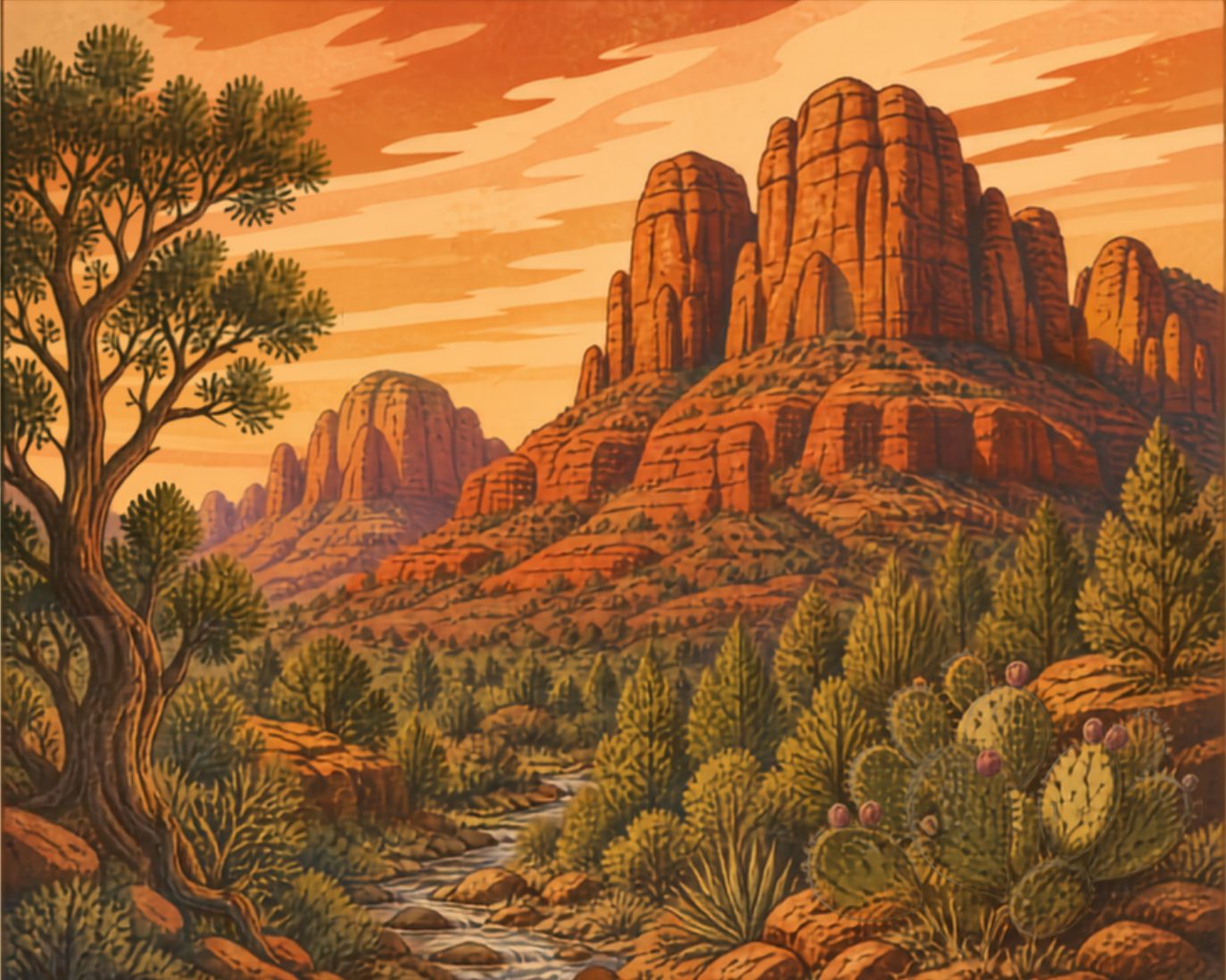
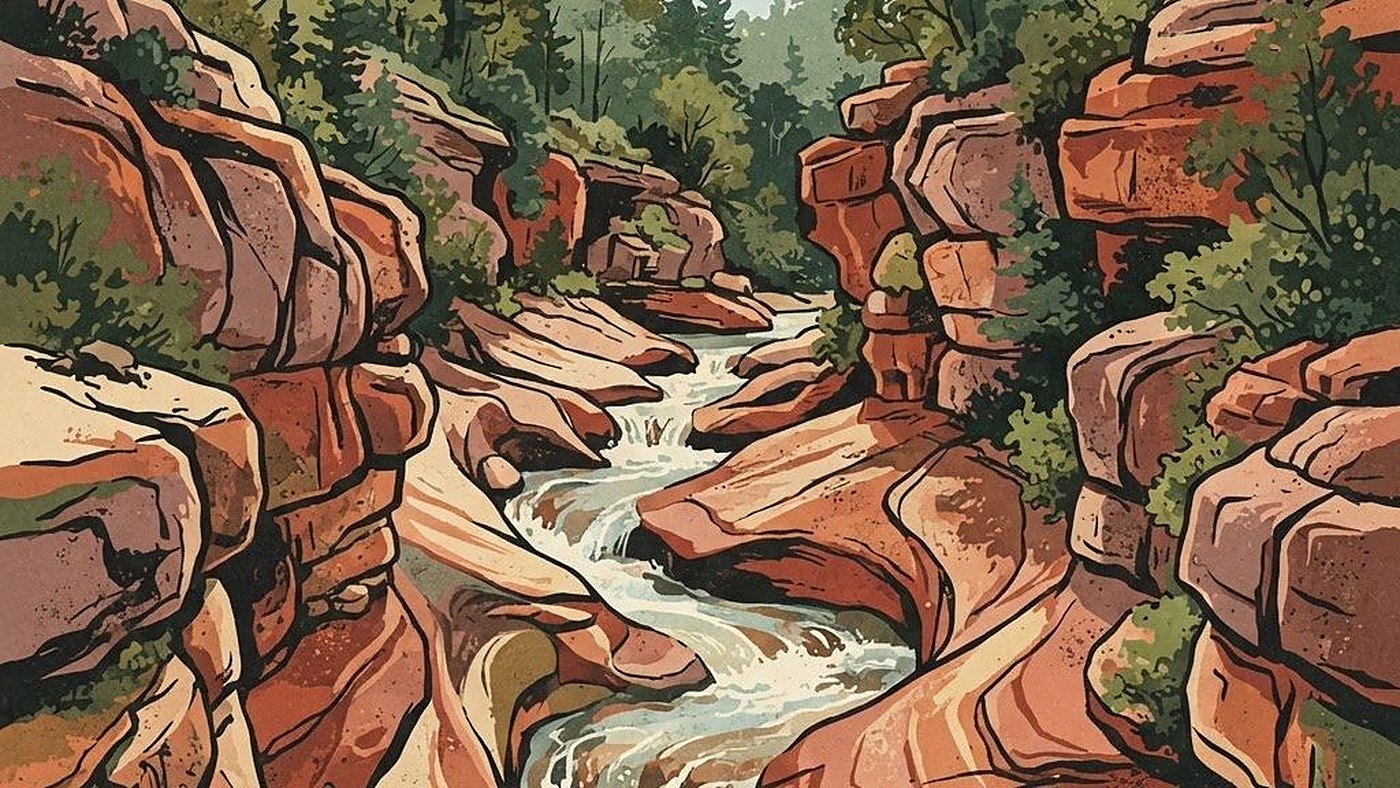
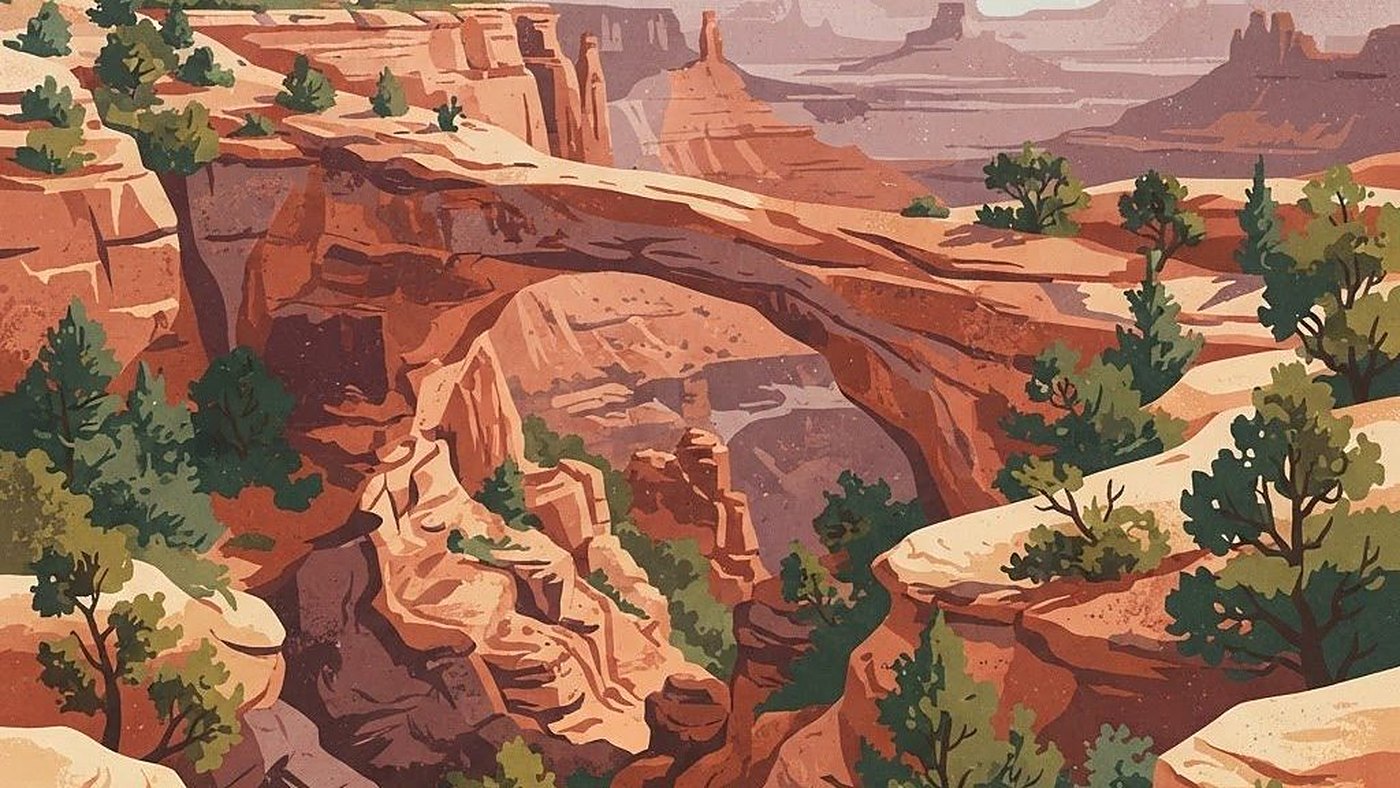
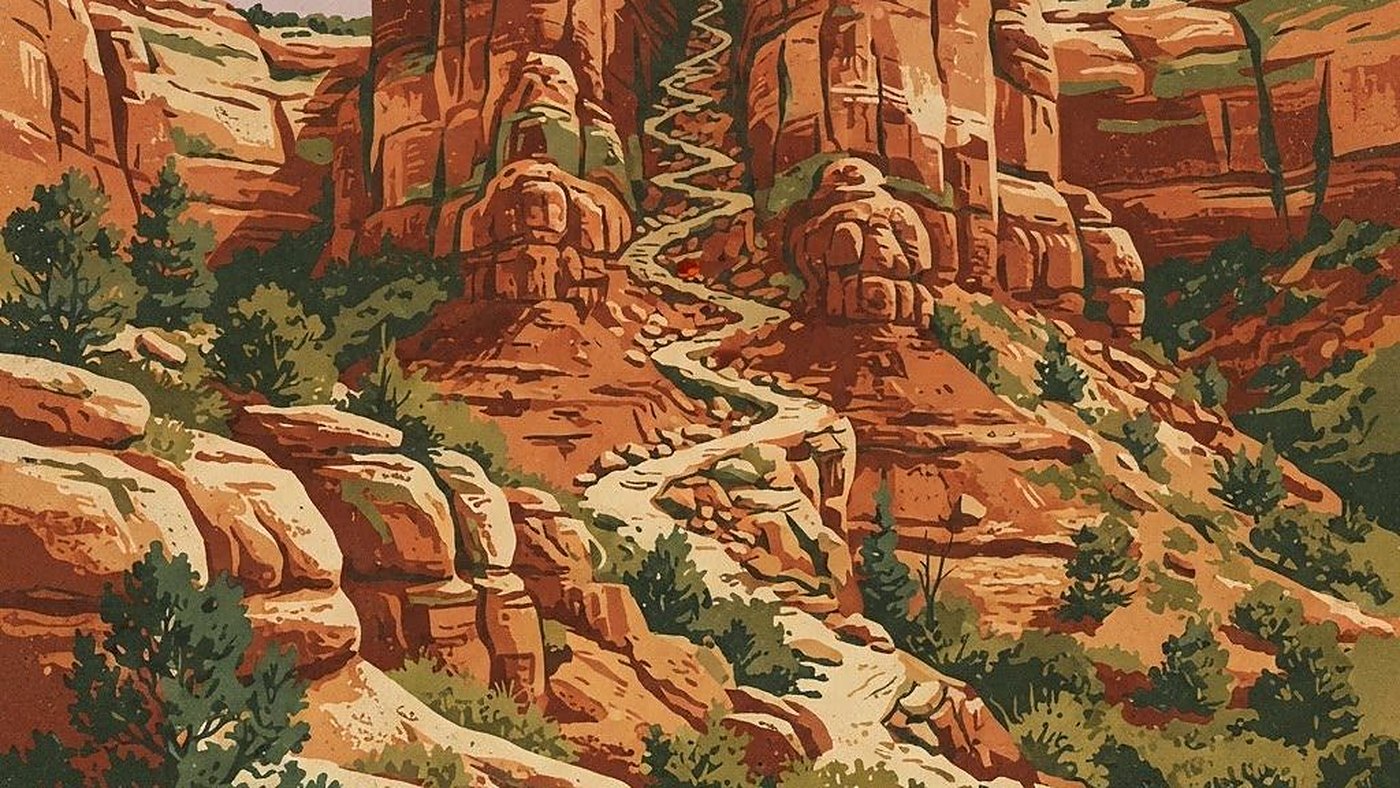
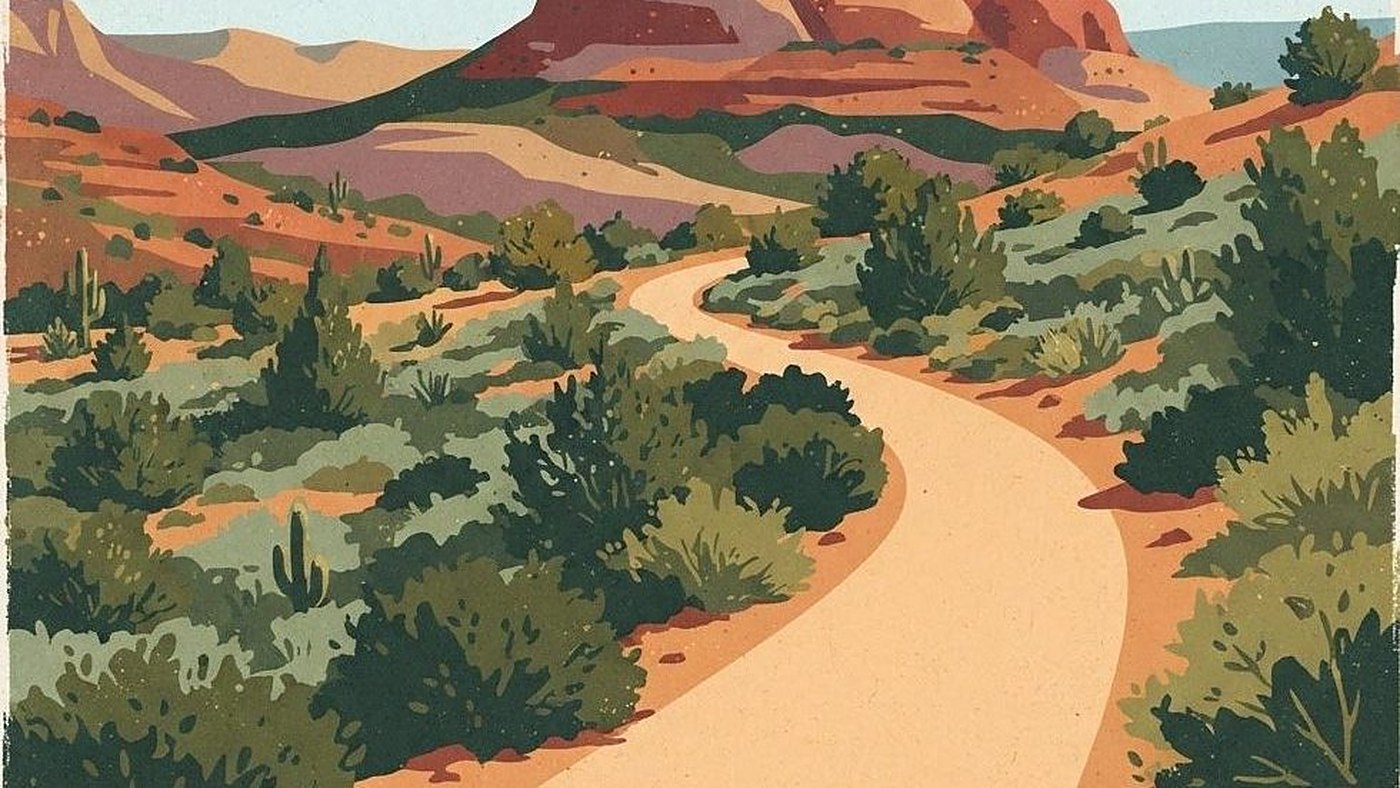
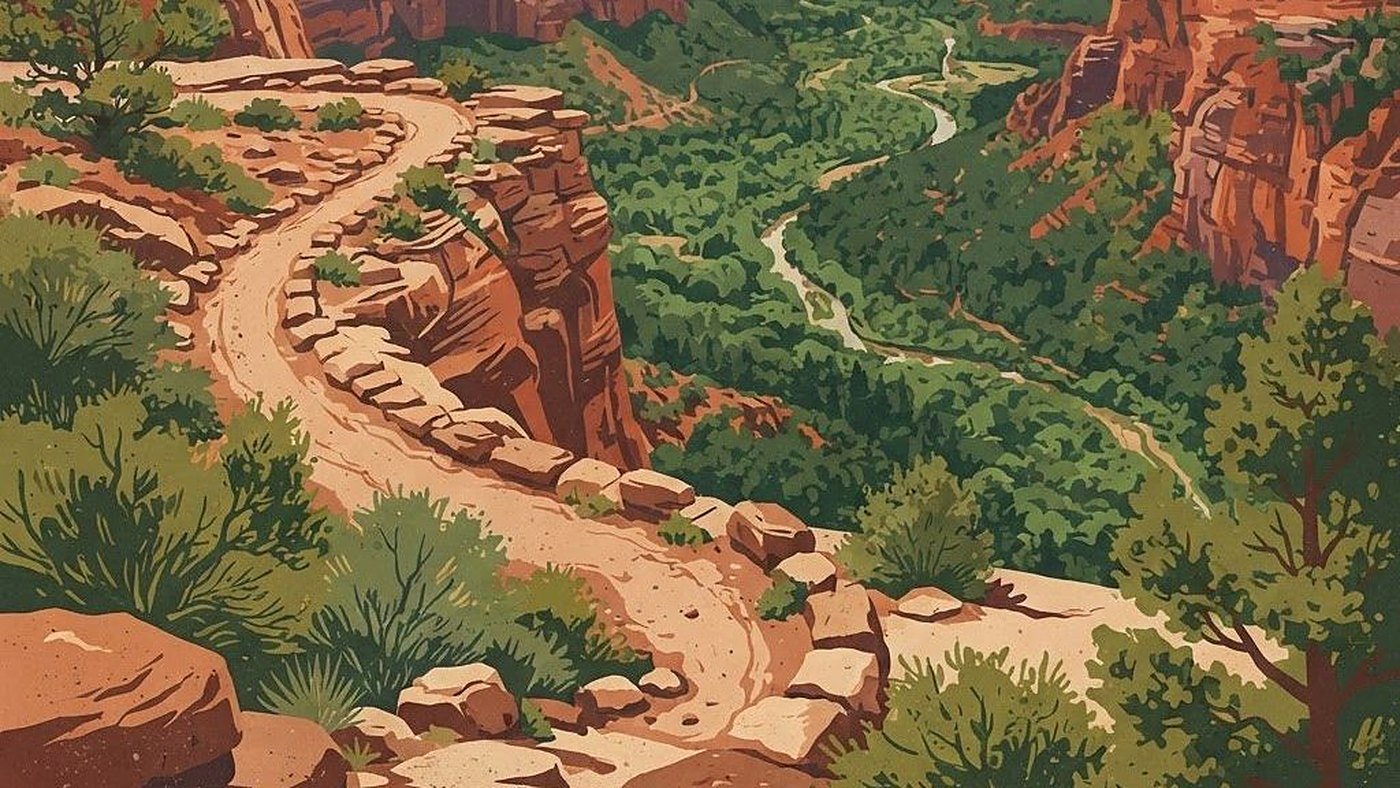
Illustrated landscape of the Sedona Red Rock

Ecosystem 02 of 05

Sedona Red Rock

Rust-stained sandstone in a transition zone between desert and forest.

Elevation
3,900 – 6,400 ft
From Phoenix
2 hr north
Best season
April – May, September – October

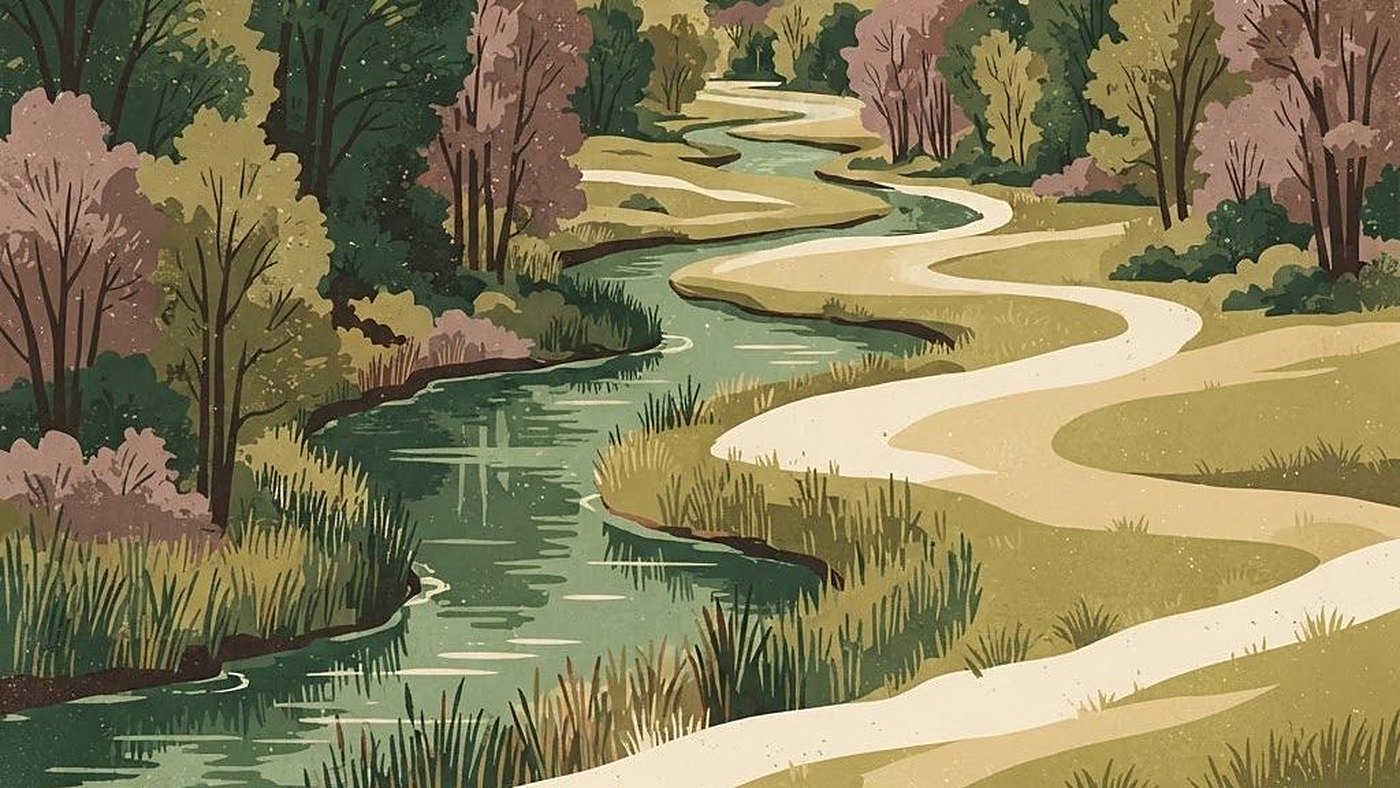
Sedona sits where the Colorado Plateau breaks off into the desert below, and that edge is what makes it so strange and green. Oak Creek runs year-round through canyons that hold cypress and sycamore, while a few hundred feet up the slope the plants are pure high desert. Two ecosystems, stacked vertically, separated by a short walk.

Field note

The rock's deep red comes from a thin coat of iron oxide, essentially rust, on sandstone laid down about 275 million years ago.

Plant life

What grows here

  • Utah Juniper

    Utah Juniper

    Can seal off and kill its own branches to save the rest of the tree during drought. The gray dead limbs are a survival strategy.

  • Manzanita

    Manzanita

    Smooth mahogany bark and stiff evergreen leaves. Its seeds germinate best after fire has passed through.

  • Prickly Pear

    Prickly Pear

    The flat pads are stems, not leaves. Its magenta fruit, or tuna, has been harvested here for thousands of years.

  • Arizona Cypress

    Arizona Cypress

    Holds its cones closed for years and needs the heat of fire to open them and release seed.

Wildlife

What you might see

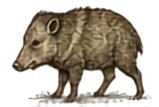
  • Javelina

    Javelina

    Not a pig but a peccary. Nearly blind, it navigates by scent and travels in squadrons of six to a dozen.

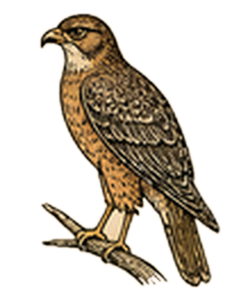
  • Common Black Hawk

    Common Black Hawk

    A rare riparian specialist that nests in the sycamores along Oak Creek and hunts frogs and fish from a low perch.

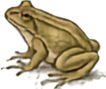
  • Canyon Tree Frog

    Canyon Tree Frog

    Colored exactly like wet sandstone. You will hear its rattling call bouncing off the canyon walls long before you spot one.

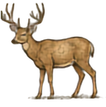
  • Mule Deer

    Mule Deer

    Named for its enormous ears. It moves with a stiff-legged bounce called stotting, all four feet leaving the ground at once.

Where to go

Parks and preserves

Trails to hike

Specific routes

Season by season

When to come

Spring

March – May

Ideal temperatures, and the creek is running high.

  • April and May are the sweet spot: warm days, cool nights, and full flow in Oak Creek.
  • Spring runoff can make West Fork crossings knee-deep. Bring shoes you do not mind soaking.
  • Spring break and every spring weekend overwhelm the trailheads. Ride the Sedona Shuttle to Cathedral Rock and Devil’s Bridge, it is free and it saves the parking fight.

Summer

June – August

Hot on the rock, cool in the canyon.

  • Highs in the upper 90s on slickrock. Pick a creekside canyon, shaded water runs far cooler than an exposed slab. Check current fire and flood closures first.
  • Monsoon storms build in the afternoon. Get off summits and out of narrow canyons by early afternoon.
  • Oak Creek can rise fast and muddy during a storm upstream even when it is sunny where you are standing.

Fall

September – November

The best light and the best color of the year.

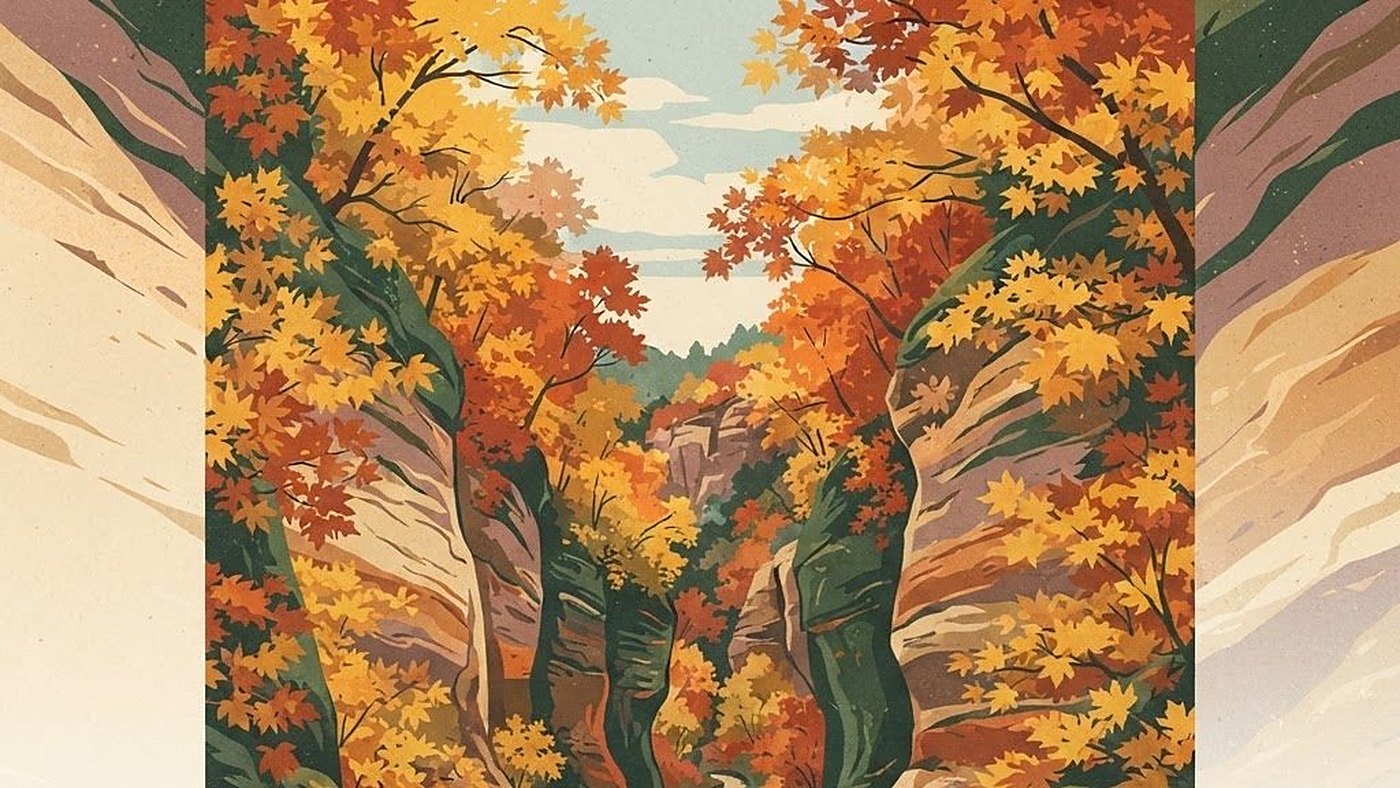
  • October is peak: mild temperatures, thin crowds mid-week, and sycamores and maples turning in the canyons.
  • West Fork color usually peaks mid-October through the first week of November.
  • The low autumn sun makes the rock its most saturated red in the last hour before sunset.

Winter

December – February

Snow on red rock, and hardly anyone there.

  • A dusting of snow on the red buttes is the most striking sight Sedona offers, and it usually melts by noon.
  • Shaded slickrock holds ice. Cathedral Rock and Devil’s Bridge become genuinely hazardous when frozen, traction devices help.
  • Oak Creek Canyon and State Route 89A can close briefly after a storm. Check ADOT before committing to the drive.

Expanded facts

Worth knowing

The rock is a fossil desert
Most of Sedona’s red cliffs are Schnebly Hill Formation and Coconino Sandstone, dunes from a vast Permian desert, still showing the sweeping crossbeds of ancient windblown sand.
White caps, red walls
The pale layer on top of many buttes is younger Kaibab Limestone laid down in a shallow sea. It is harder than the sandstone beneath it, which is exactly why the buttes still stand.
A riparian ribbon
Less than one percent of Arizona is riparian, yet in the Southwest those corridors support more breeding bird species than all other vegetation types combined. Oak Creek is one of the finest examples left.
You are on the edge of the plateau
Sedona sits directly below the Mogollon Rim, so a two-hour drive north from Phoenix and a short climb up a canyon can move you through three life zones.