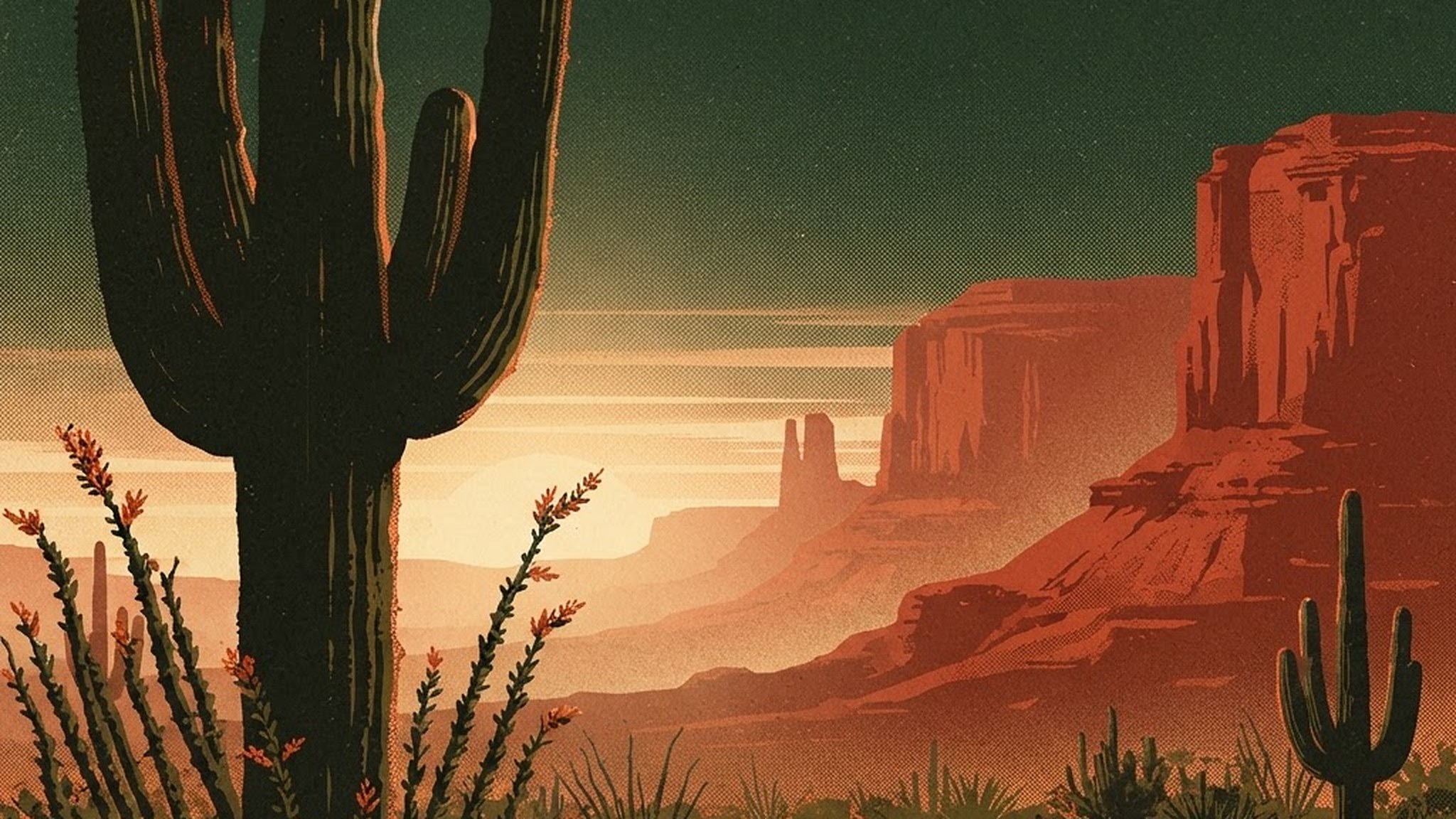
J.R.'s Field Guide to Arizona's Five Ecosystems
Curated just for you, from theteam
So much to explore
Five ecosystems, one state. From saguaro forest at a thousand feet to spruce and aspen along the Rim, where to go, what to walk, and when to be there.
Introduction
Arizona is not one landscape.
Drive two hours in almost any direction from Phoenix and the vegetation changes completely. The state spans roughly seven thousand feet of relief, and every thousand feet of elevation behaves like several hundred miles of latitude. That is why you can stand in saguaro forest at breakfast and walk through ponderosa pine by lunch.
This guide breaks the state into five ecosystems you can actually visit in a weekend. Each one gets its plants and animals, the parks worth the drive, the specific trails to walk, and the seasonal notes that decide whether a hike is a pleasure or a hazard.
The five ecosystems
 01
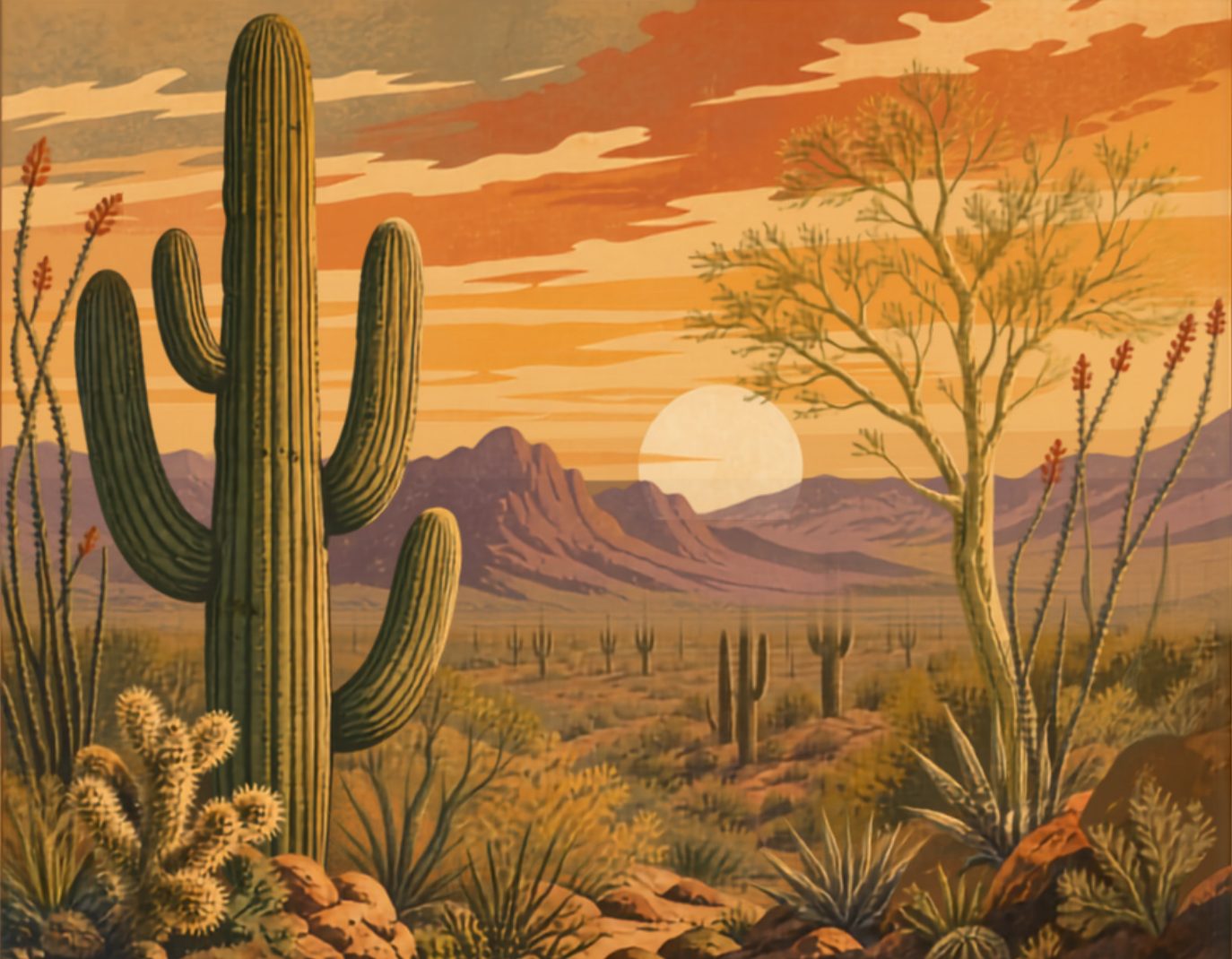
01Sonoran Desert
The only place on Earth where saguaros grow wild.
- Elevation
- 1,000 – 3,500 ft
- Best
- November – April
- Trails
- 5 mapped
 02
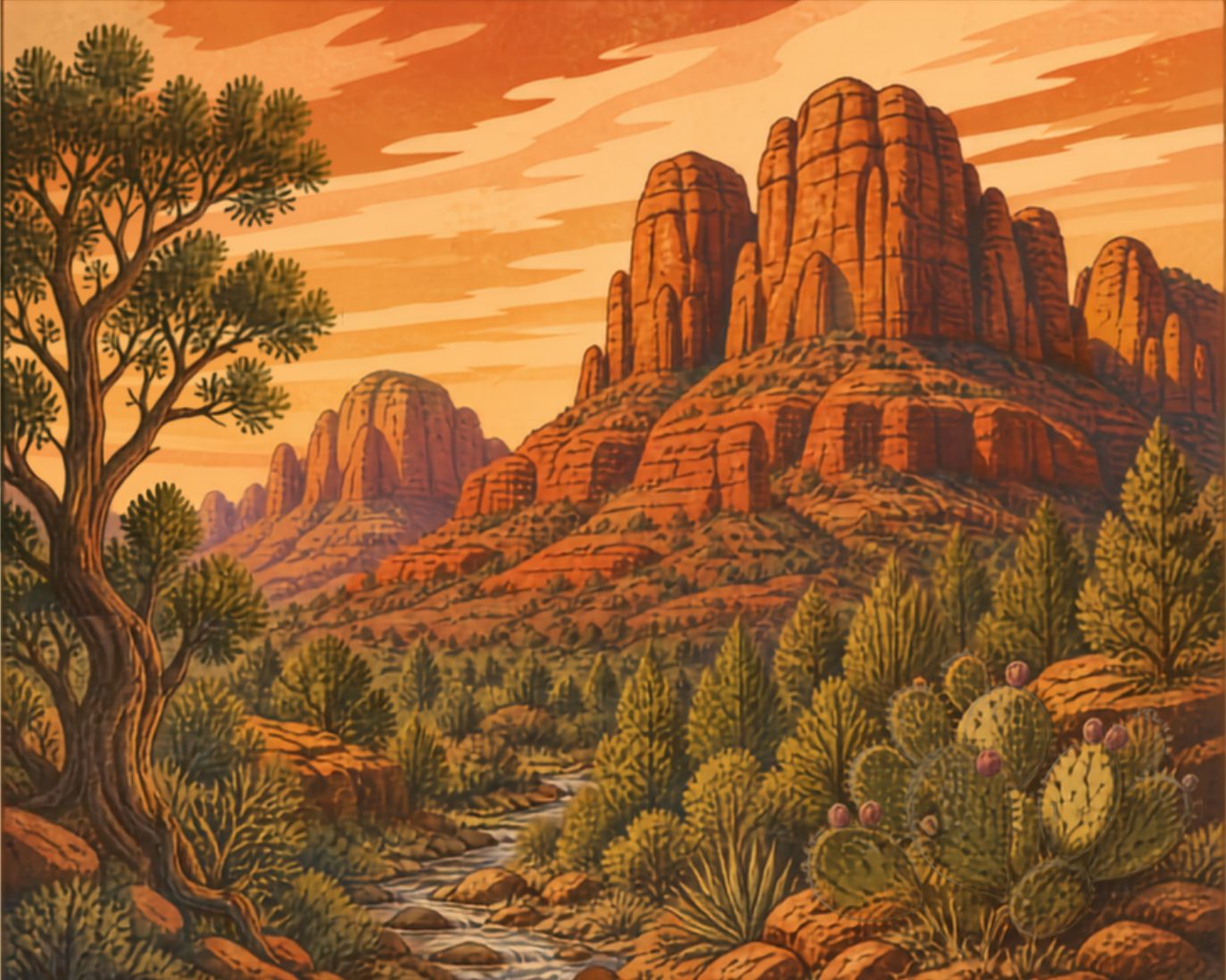
02Sedona Red Rock
Rust-stained sandstone in a transition zone between desert and forest.
- Elevation
- 3,900 – 6,400 ft
- Best
- April – May, September – October
- Trails
- 5 mapped
 03
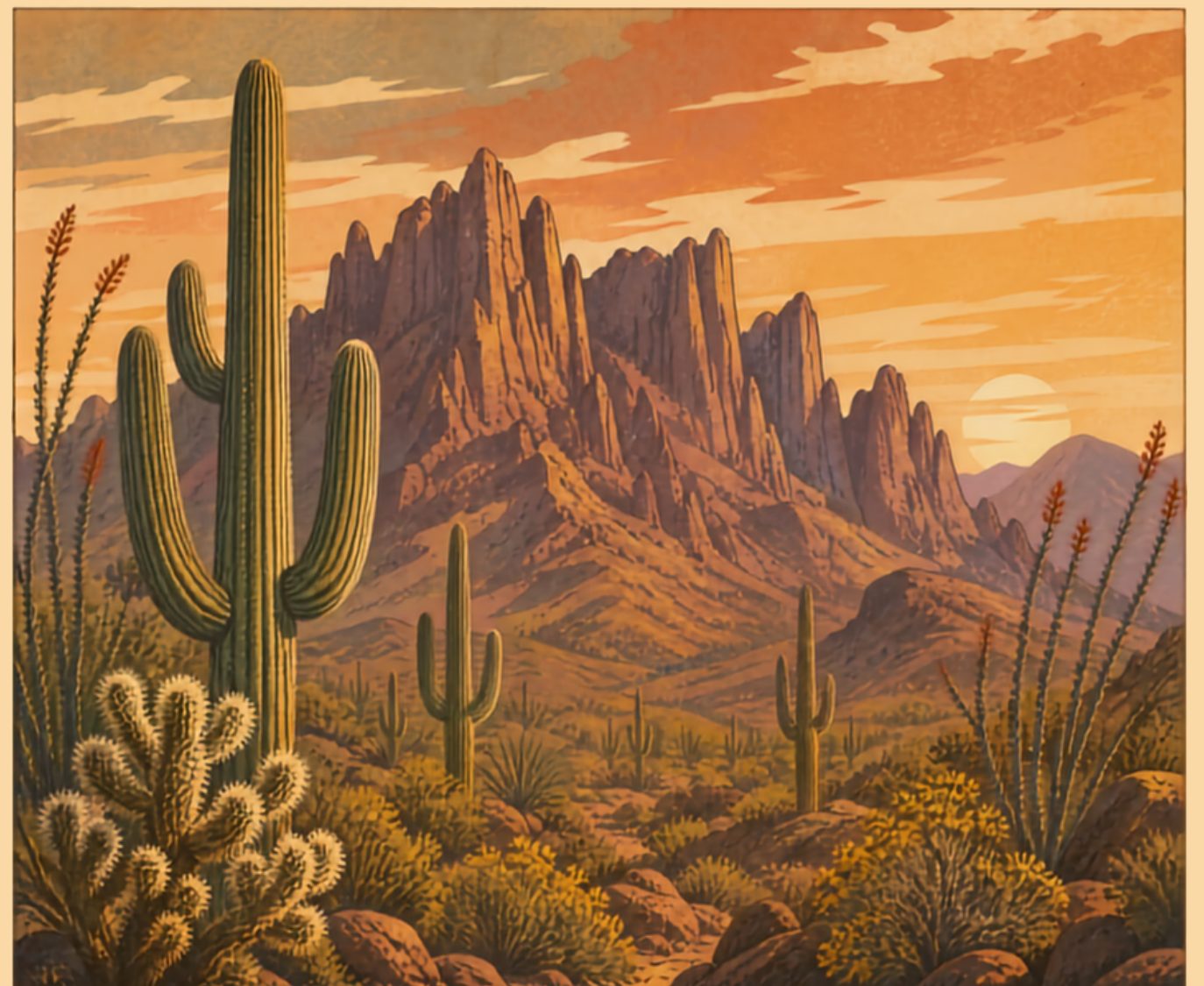
03Superstition Mountains
A shattered volcanic range holding Arizona’s most durable legend.
- Elevation
- 2,000 – 6,266 ft
- Best
- November – March
- Trails
- 5 mapped
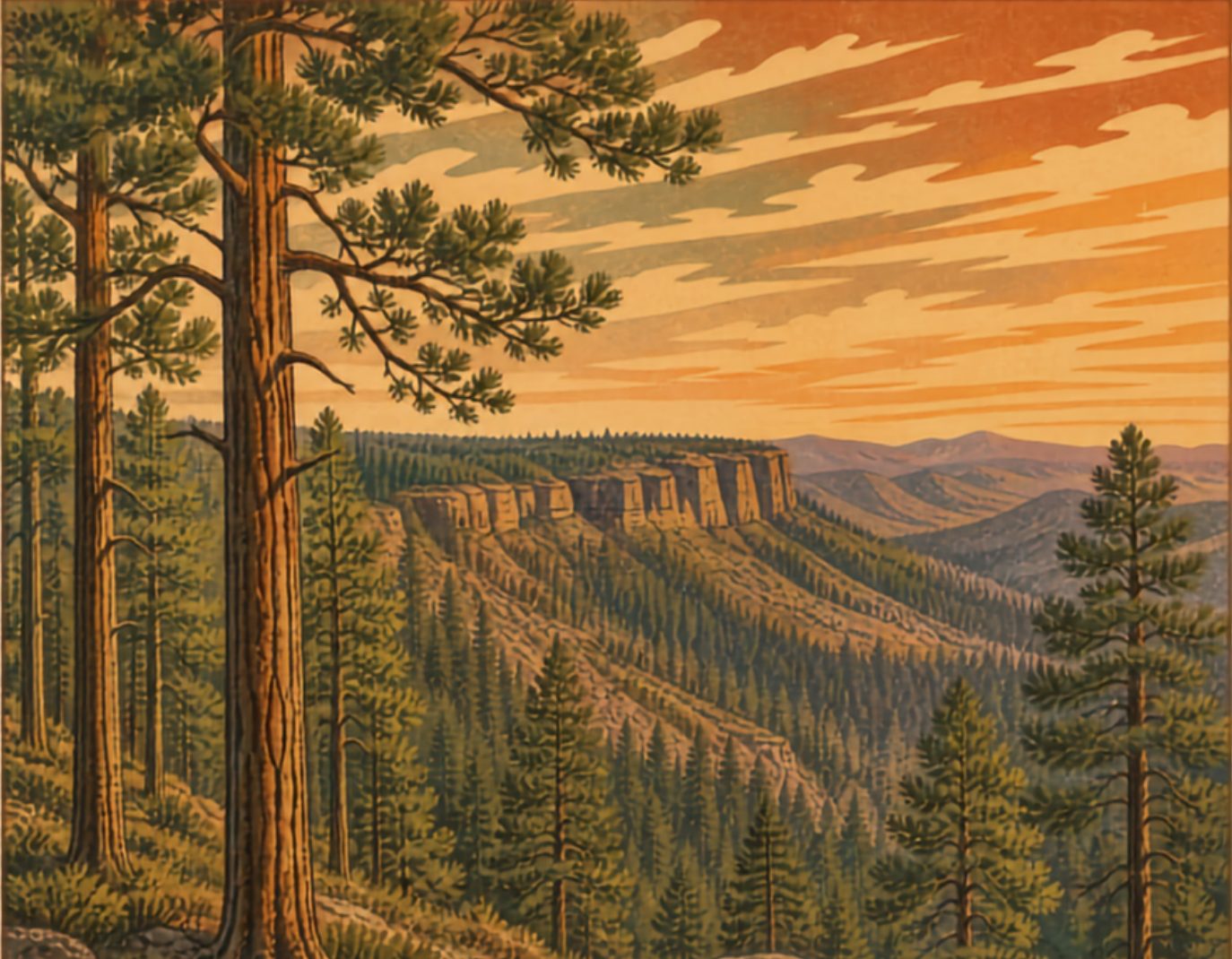 04
04Mogollon Rim
A 200-mile escarpment carrying the largest ponderosa pine forest on Earth.
- Elevation
- 5,000 – 8,000 ft
- Best
- May – October
- Trails
- 5 mapped
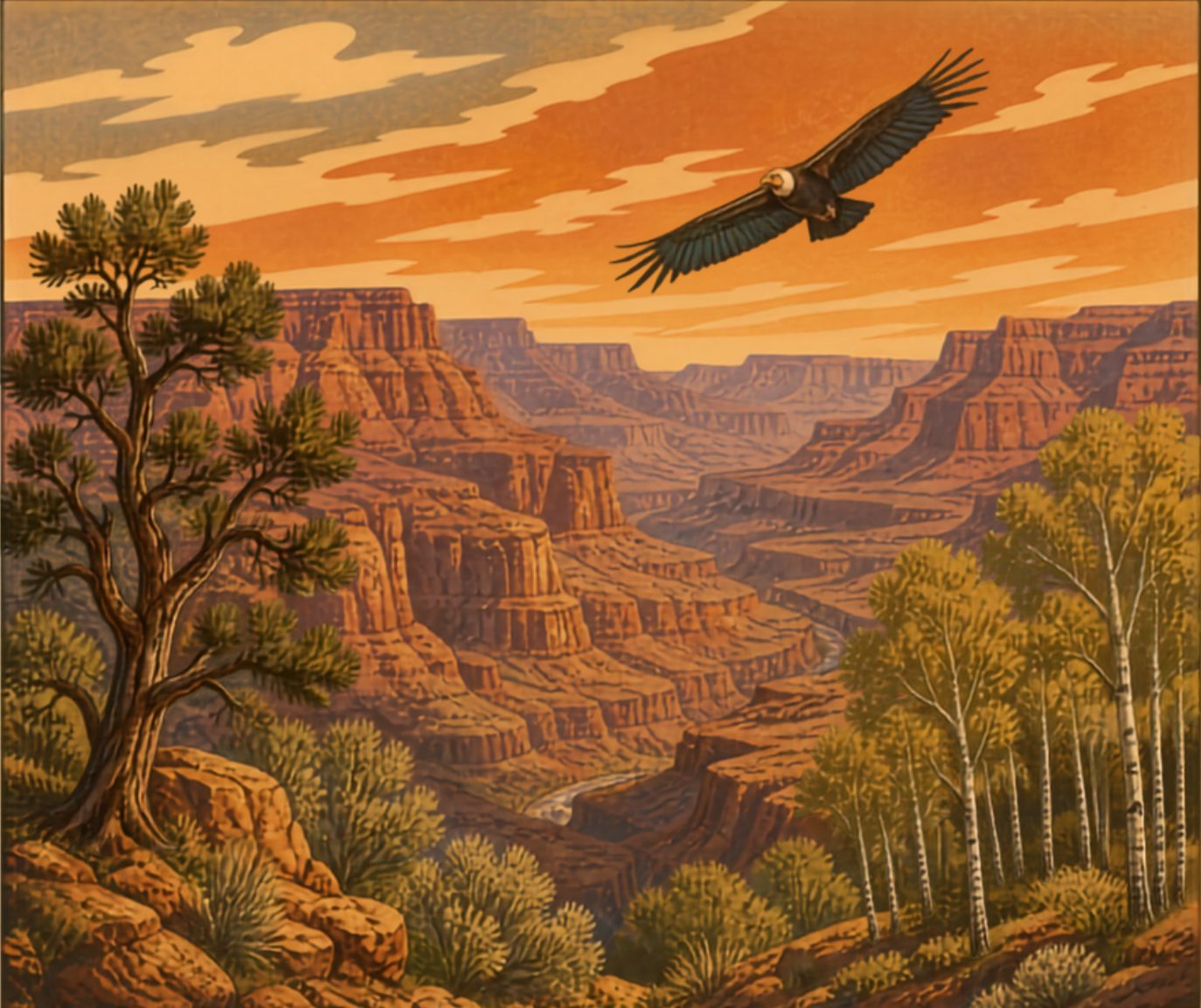 05
05Colorado Plateau
130,000 square miles of layered rock, and the oldest stone you can stand beside.
- Elevation
- 5,000 – 9,000 ft
- Best
- May – June, September – October
- Trails
- 5 mapped
Before you go
Five rules that apply everywhere
Carry more water than you think you need
One gallon per person per day in the desert, and start drinking before you feel thirsty. Dry air evaporates sweat so fast you may not notice you are losing it.
Start at first light
From May through September the safe hiking window closes by about nine in the morning. Rangers close some trailheads outright during extreme heat warnings.
Stay on the trail
Desert soil holds a living crust that takes decades to recover from a single footstep. Cutting a switchback also channels water and starts erosion scars.
Give wildlife the whole trail
Never handle a tortoise, never reach where you cannot see, and step back rather than around a rattlesnake. Almost every bite happens to someone reaching or provoking.
Take the forecast literally
Monsoon storms build in the afternoon and turn dry washes into moving water within minutes. If the sky darkens upstream, get out of the drainage.