Skip to content
J.R.'s Field Guide
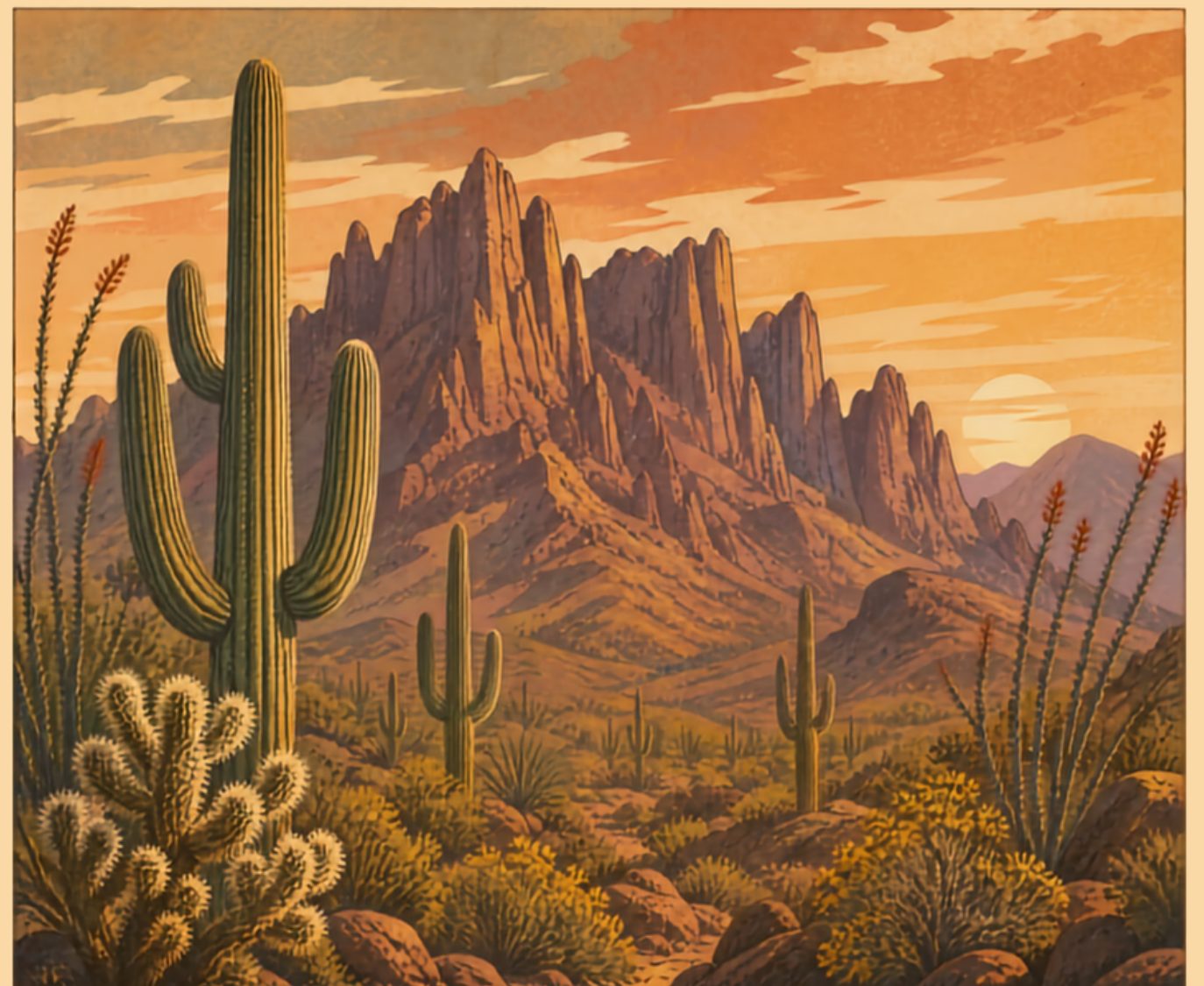
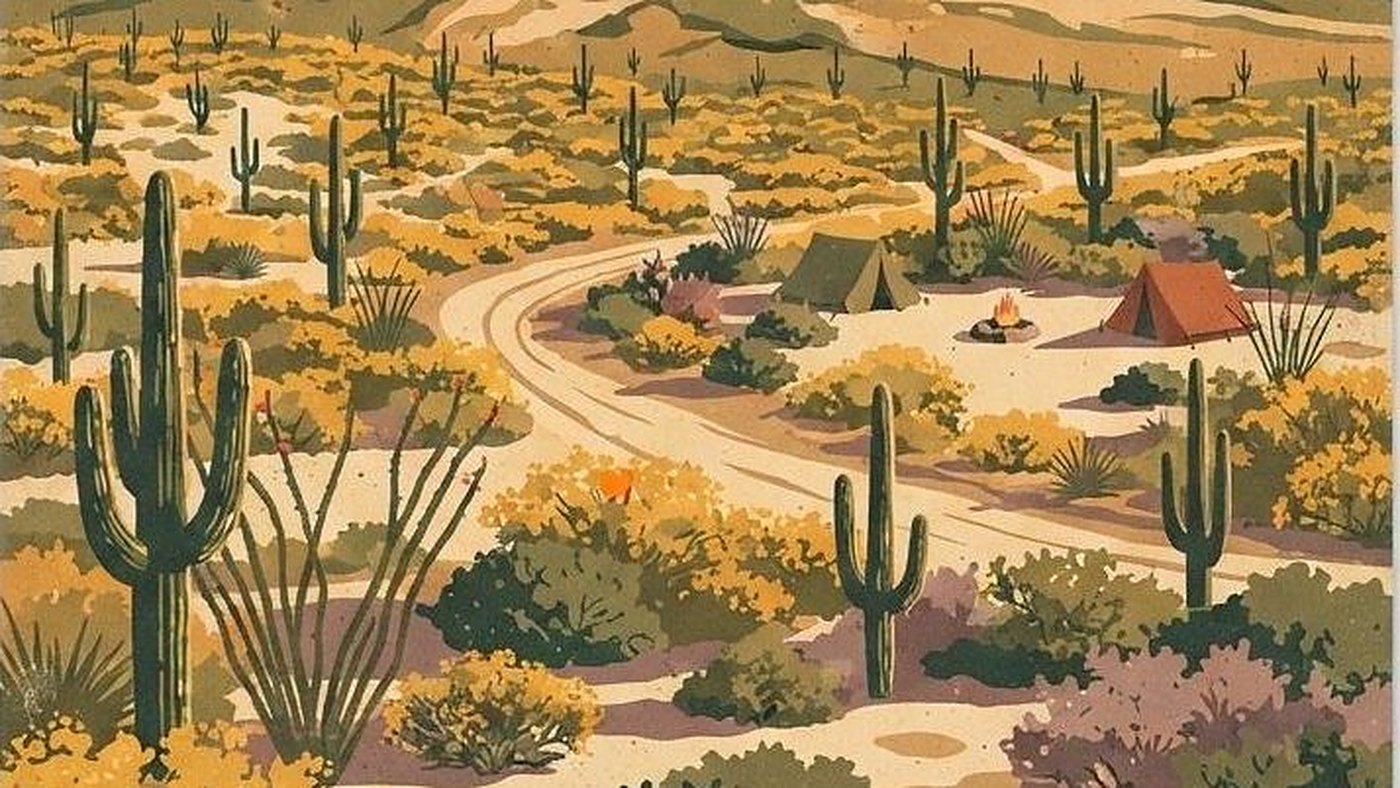
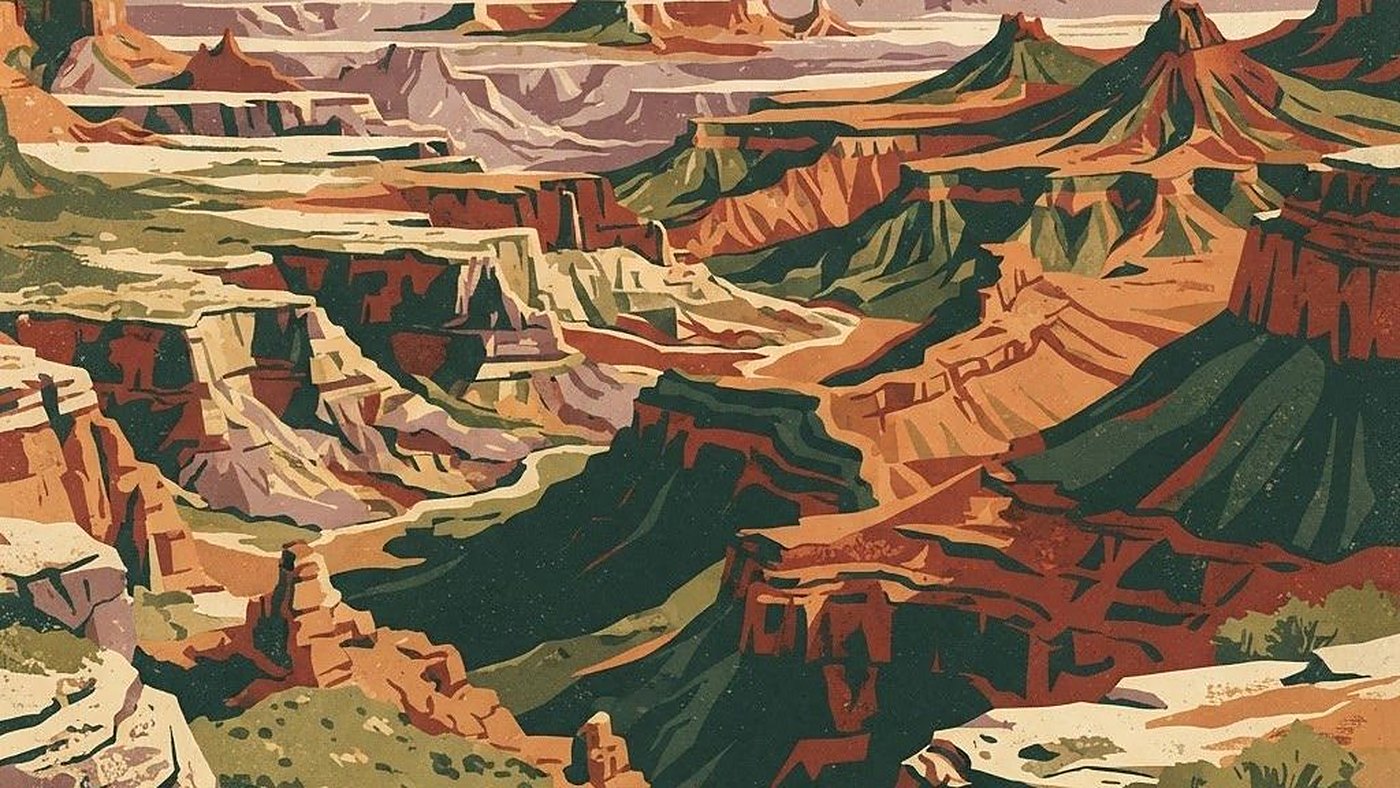
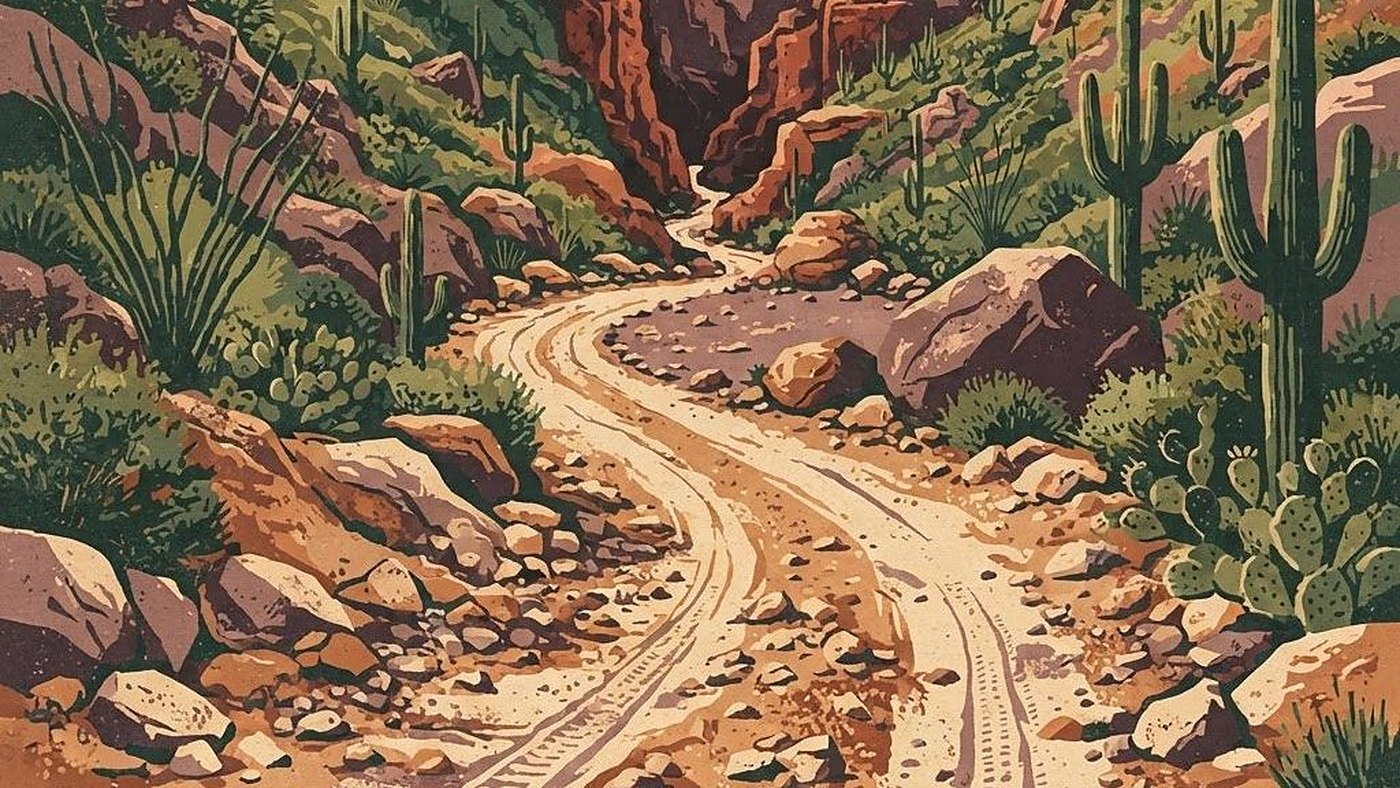
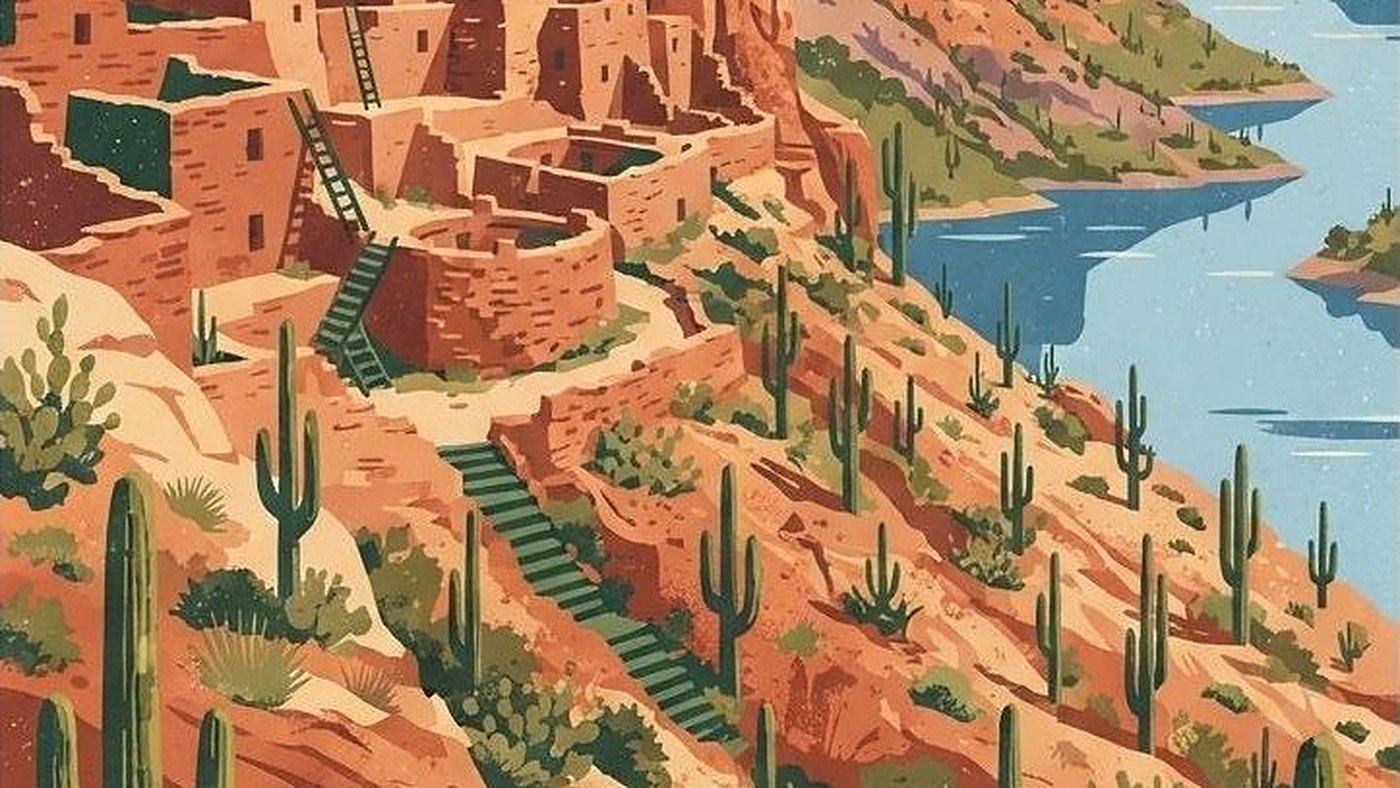
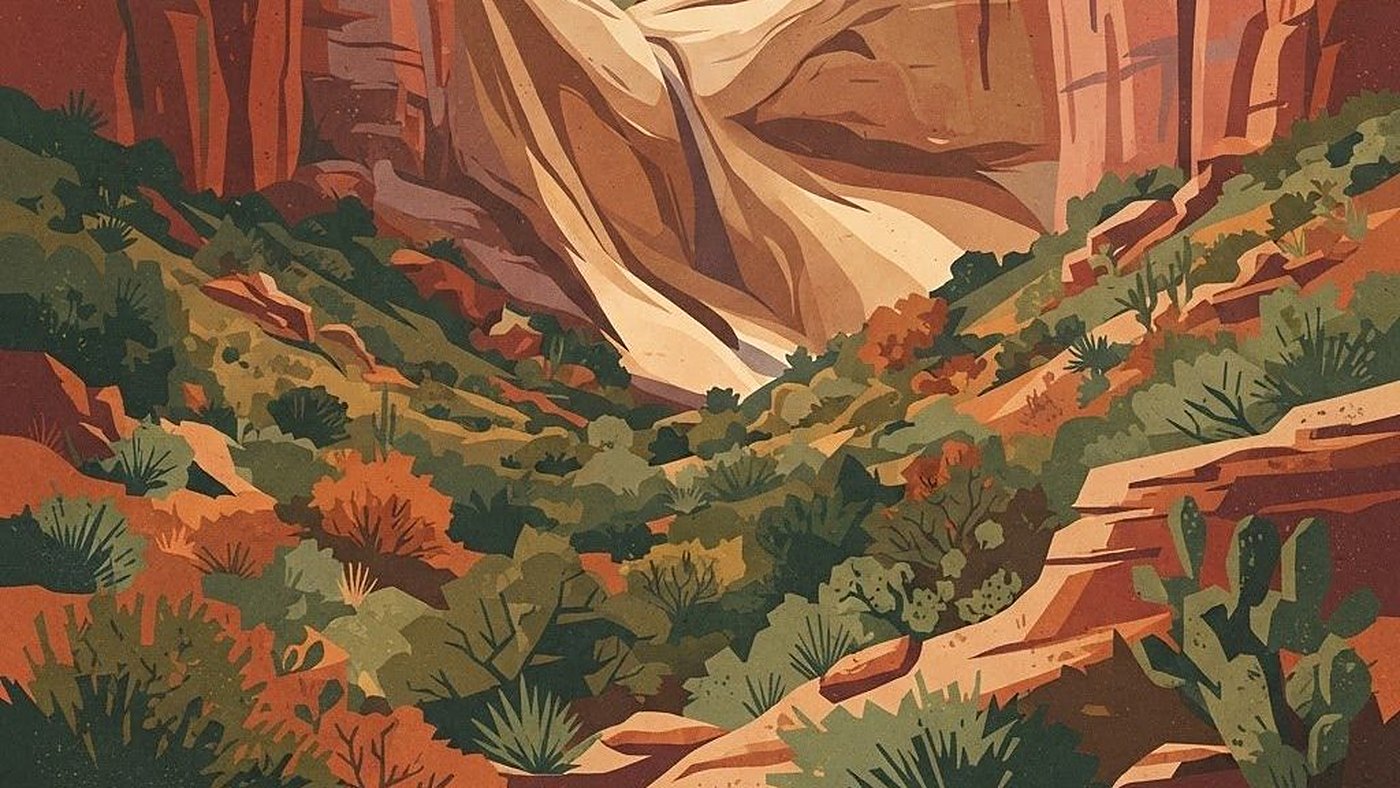
Illustrated landscape of the Superstition Mountains

Ecosystem 03 of 05

Superstition Mountains

A shattered volcanic range holding Arizona’s most durable legend.

Elevation
2,000 – 6,266 ft
From Phoenix
1 hr east
Best season
November – March

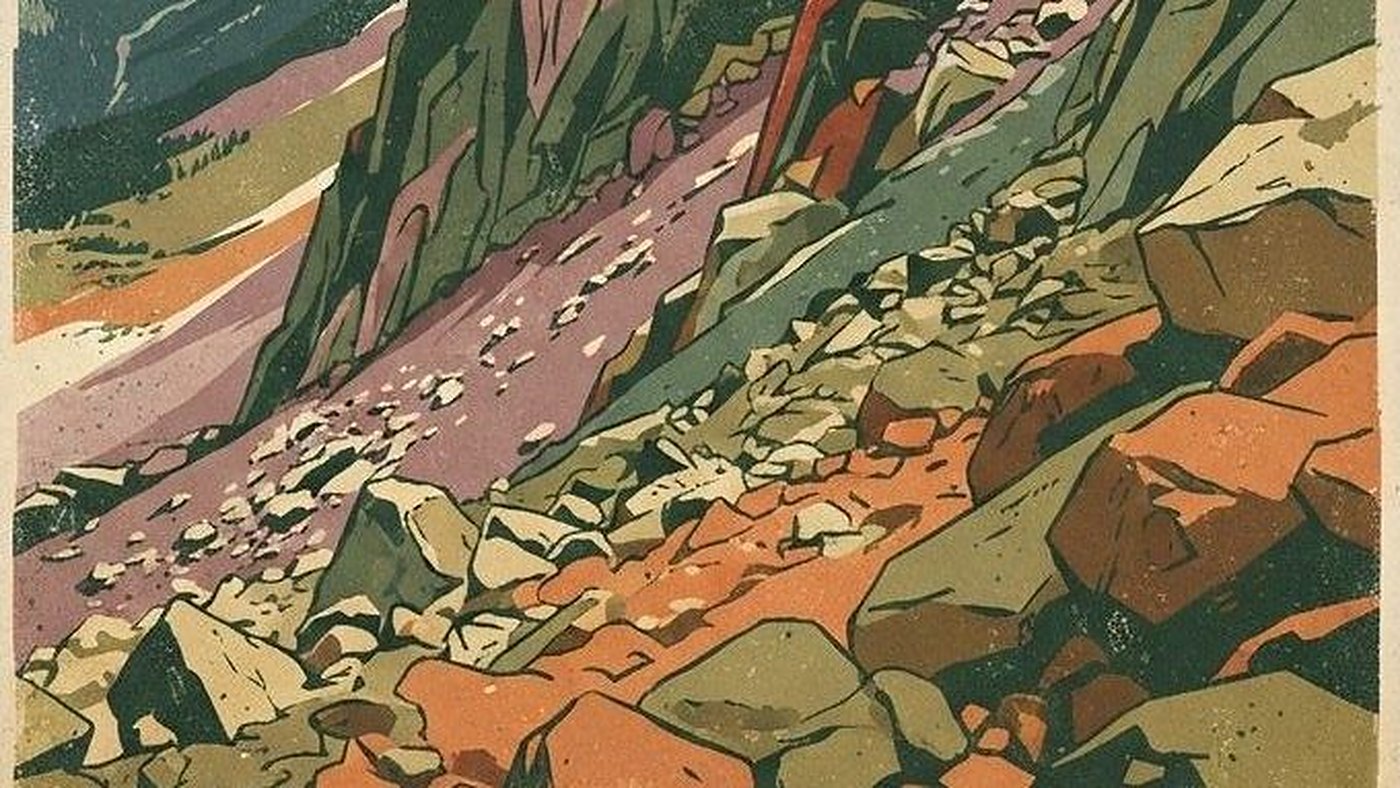
The Superstitions are the wreckage of an enormous volcanic collapse roughly 25 million years ago, and they have been eroding into spires, canyons, and cliffs ever since. The rock is welded volcanic tuff, which weathers into the hoodoos and pinnacles that make the range look impossible from the highway. It is Sonoran Desert vegetation on brutally steep, unforgiving terrain.

Field note

These peaks hold the legend of the Lost Dutchman's Gold Mine, which has drawn prospects and treasure hunters for over 130 years.

Plant life

What grows here

  • Saguaro

    Saguaro

    Grows here on slopes so steep it seems impossible. Frost sensitivity is what keeps it below about 4,000 feet.

  • Chainfruit Cholla

    Chainfruit Cholla

    Its fruit never drops, instead hanging in growing chains year after year until the branch bends under the weight.

  • Brittlebush

    Brittlebush

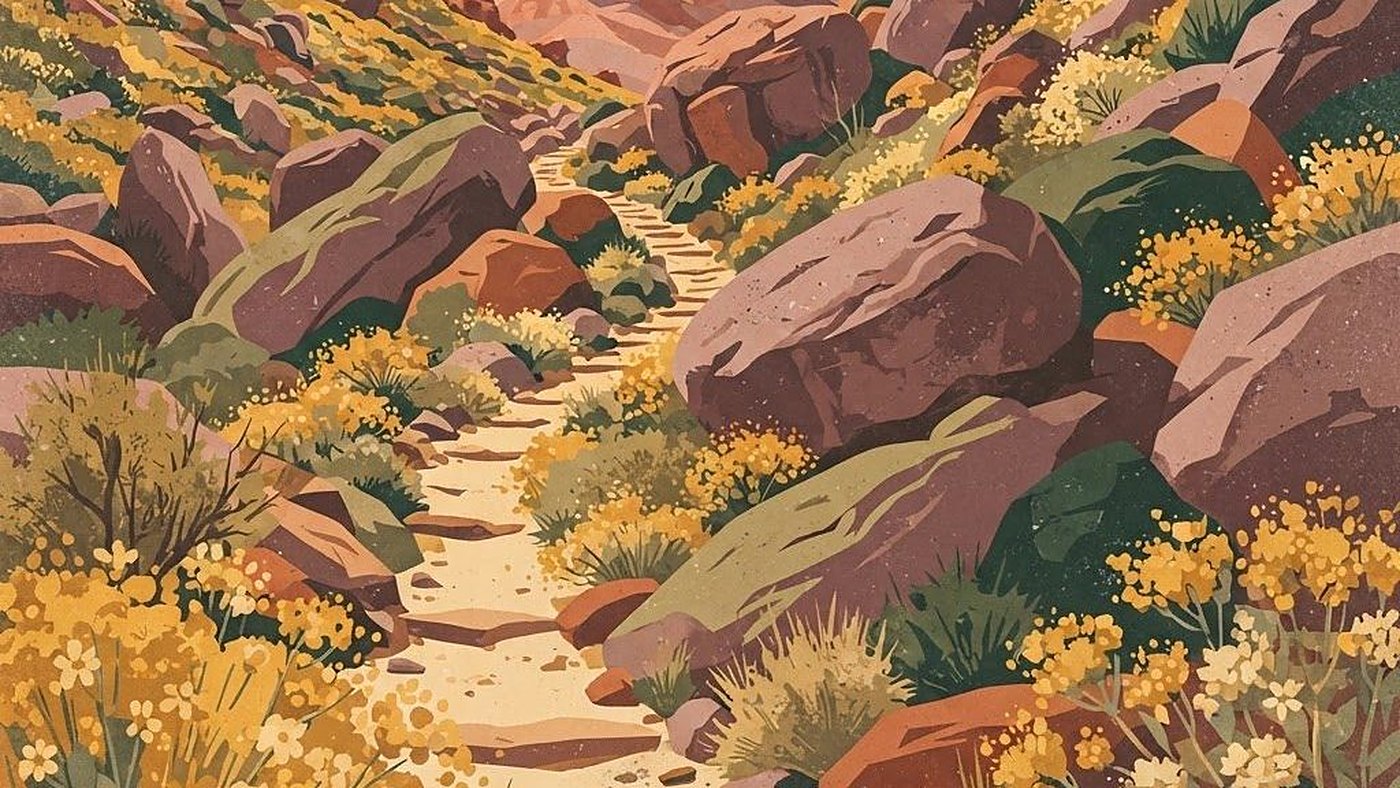
    Blankets these slopes in yellow every spring. Its resin was burned as incense in mission churches.

  • Desert Marigold

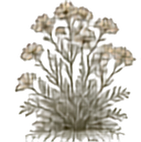
    Desert Marigold

    Blooms nearly year-round given any moisture at all, and its woolly gray leaves reflect sunlight to stay cool.

Wildlife

What you might see

  • Bighorn Sheep

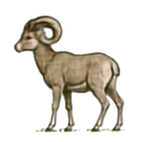
    Bighorn Sheep

    Hooves with soft concave centers grip bare rock like rubber. Scan the cliff bands above Siphon Draw at dawn.

  • Gila Woodpecker

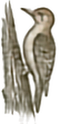
    Gila Woodpecker

    Excavates the nest cavities in saguaros that later shelter owls, flycatchers, and kestrels.

  • Western Diamondback

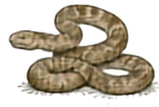
    Western Diamondback

    Heat-sensing pits let it hunt in total darkness. It rattles as a warning and would much rather be left alone.

  • Red-tailed Hawk

    Red-tailed Hawk

    Rides thermals off the sun-heated cliffs for hours. Its eyesight is roughly eight times sharper than yours.

Where to go

Parks and preserves

Trails to hike

Specific routes

Season by season

When to come

Spring

March – May

Brittlebush turns the whole range gold.

  • March into early April is the peak show, with poppies and brittlebush blanketing the lower slopes.
  • Trailhead lots at Peralta and Lost Dutchman fill by sunrise on spring weekends.
  • By late April the exposed climbs are already too hot for a midday start.

Summer

June – August

The most dangerous hiking season in Arizona.

  • This range accounts for a steady stream of summer heat rescues, most of them on Siphon Draw and Flatiron.
  • There is no reliable water and almost no shade anywhere in the wilderness. Assume none.
  • If you go, be back at the car by 9 a.m. Tell someone your route, there is no cell service in the canyons.

Fall

September – November

Heat finally releases its grip.

  • October and November bring back comfortable conditions and long shadows on the cliffs.
  • Snakes remain active into November on warm afternoons.
  • Sunset comes fast against the west-facing escarpment. Carry a headlamp even on a short loop.

Winter

December – February

The right time for the hardest routes.

  • Cool, stable weather makes this the only sensible window for Flatiron or a long wilderness traverse.
  • Snow occasionally dusts the higher terrain, and slickrock in the Basin turns treacherous when wet.
  • Daylight is short. Start at first light for anything over four miles.

Expanded facts

Worth knowing

A collapsed volcano
The range is the remains of a caldera complex that erupted and collapsed about 25 million years ago. The cliffs are welded tuff, volcanic ash fused by its own heat.
Weaver’s Needle
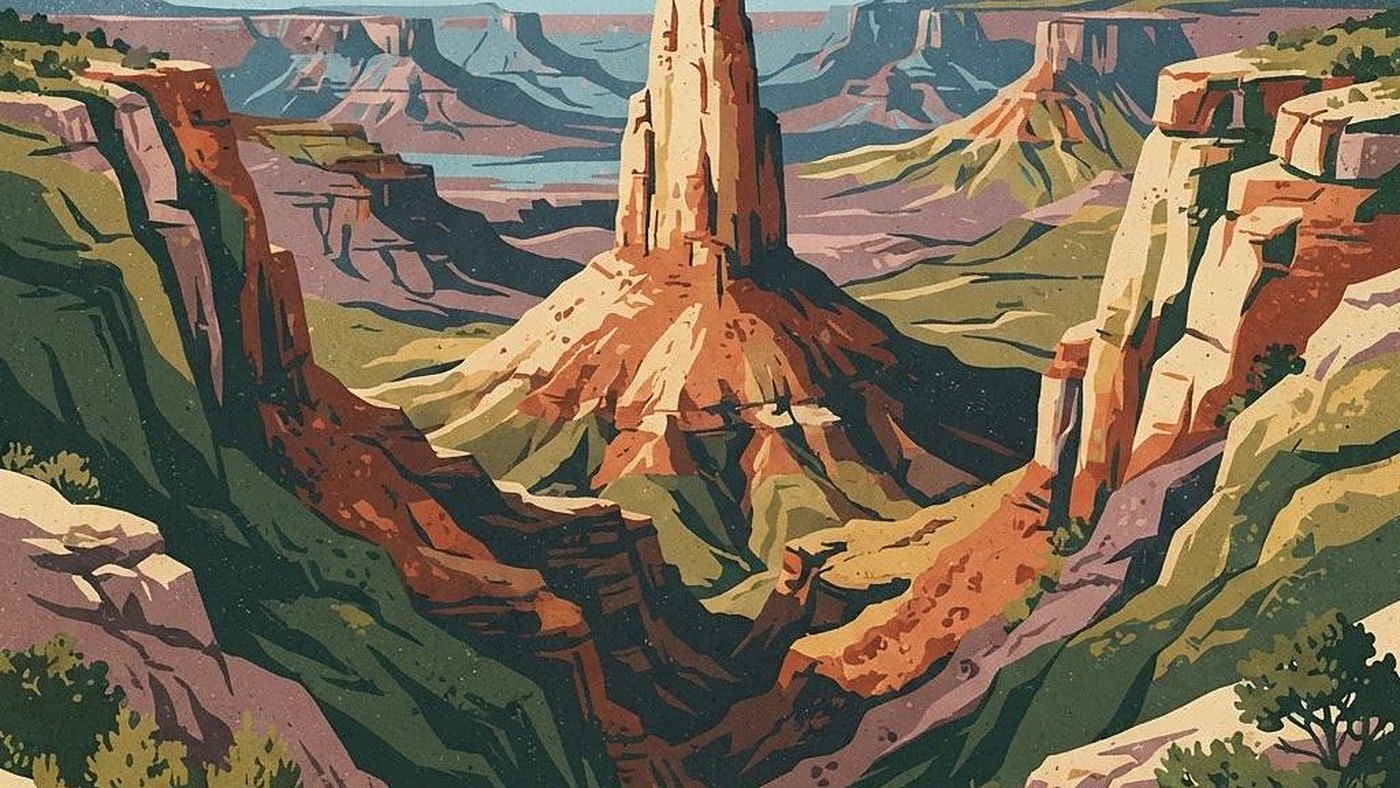
The 4,555-foot spire is an erosion-resistant volcanic plug, and it is the landmark nearly every version of the Lost Dutchman story uses to fix the mine’s location.
The legend, briefly
German immigrant Jacob Waltz supposedly revealed a fabulously rich gold mine on his deathbed in 1891. No one has found it. Geologists note the volcanic rock here is a poor host for that kind of gold deposit.
Wilderness means wilderness
Designated in 1964 and expanded in 1984, the Superstition Wilderness has no roads, no bikes, and no motors. Trails are unsigned and often faint, so carry a paper map and a compass.