Skip to content
J.R.'s Field Guide
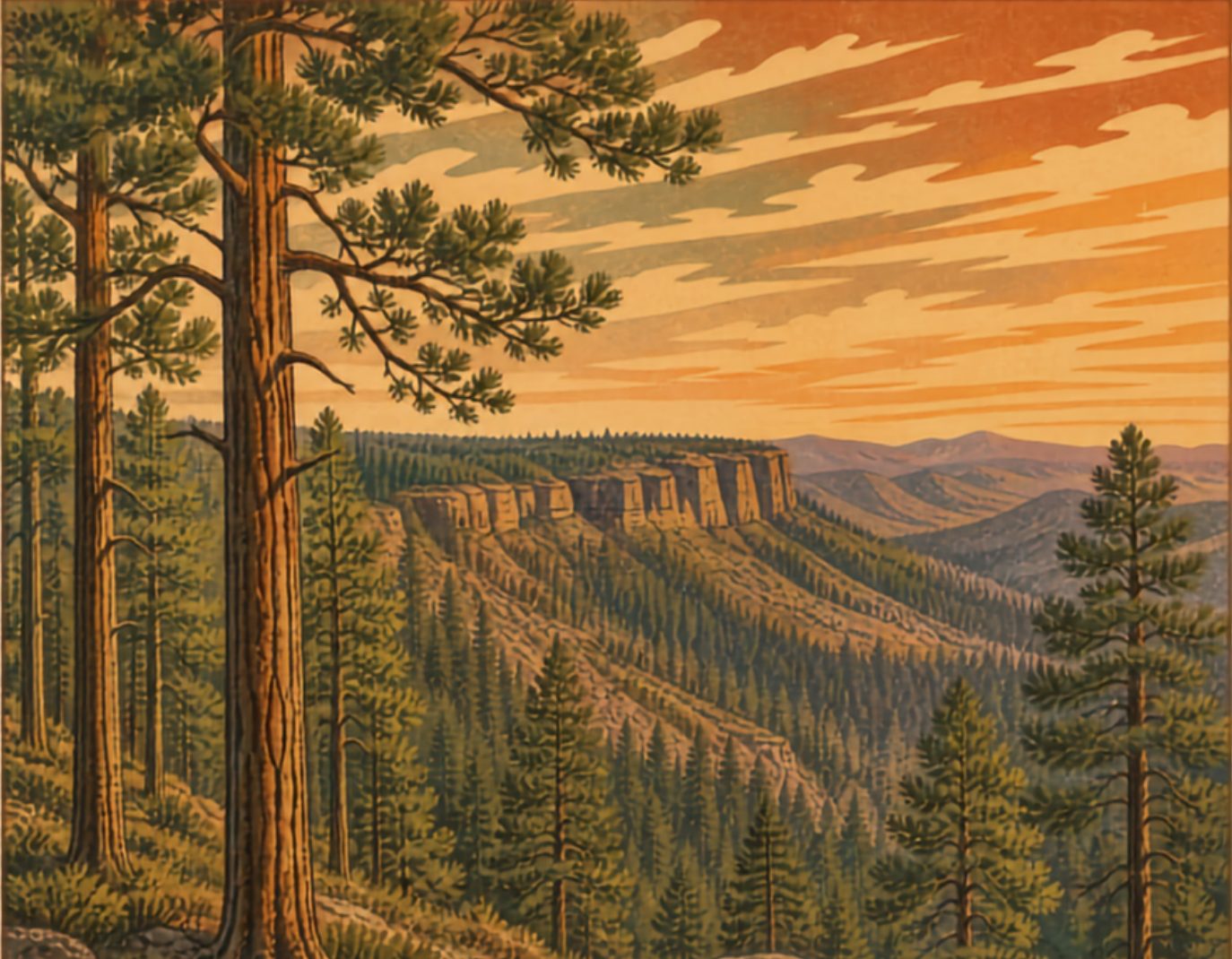
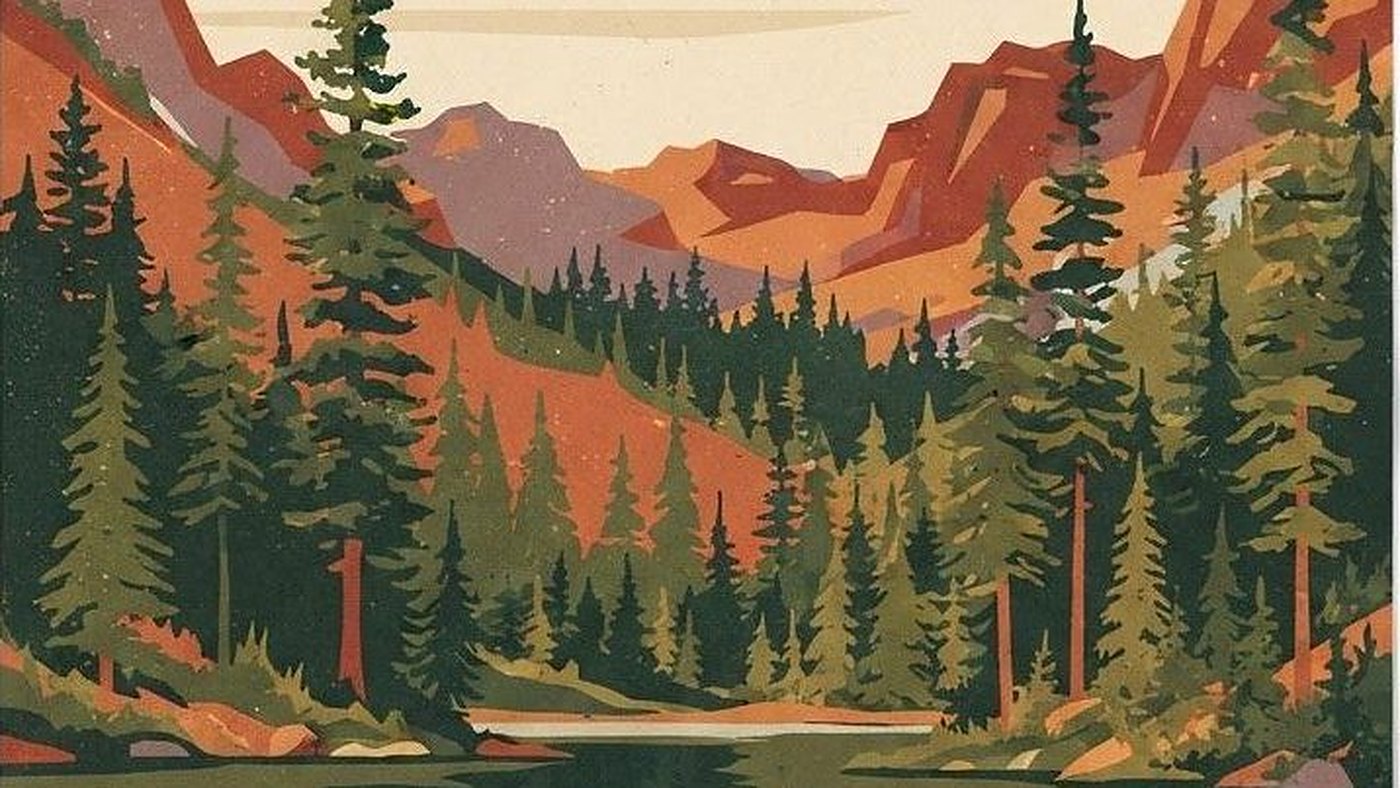
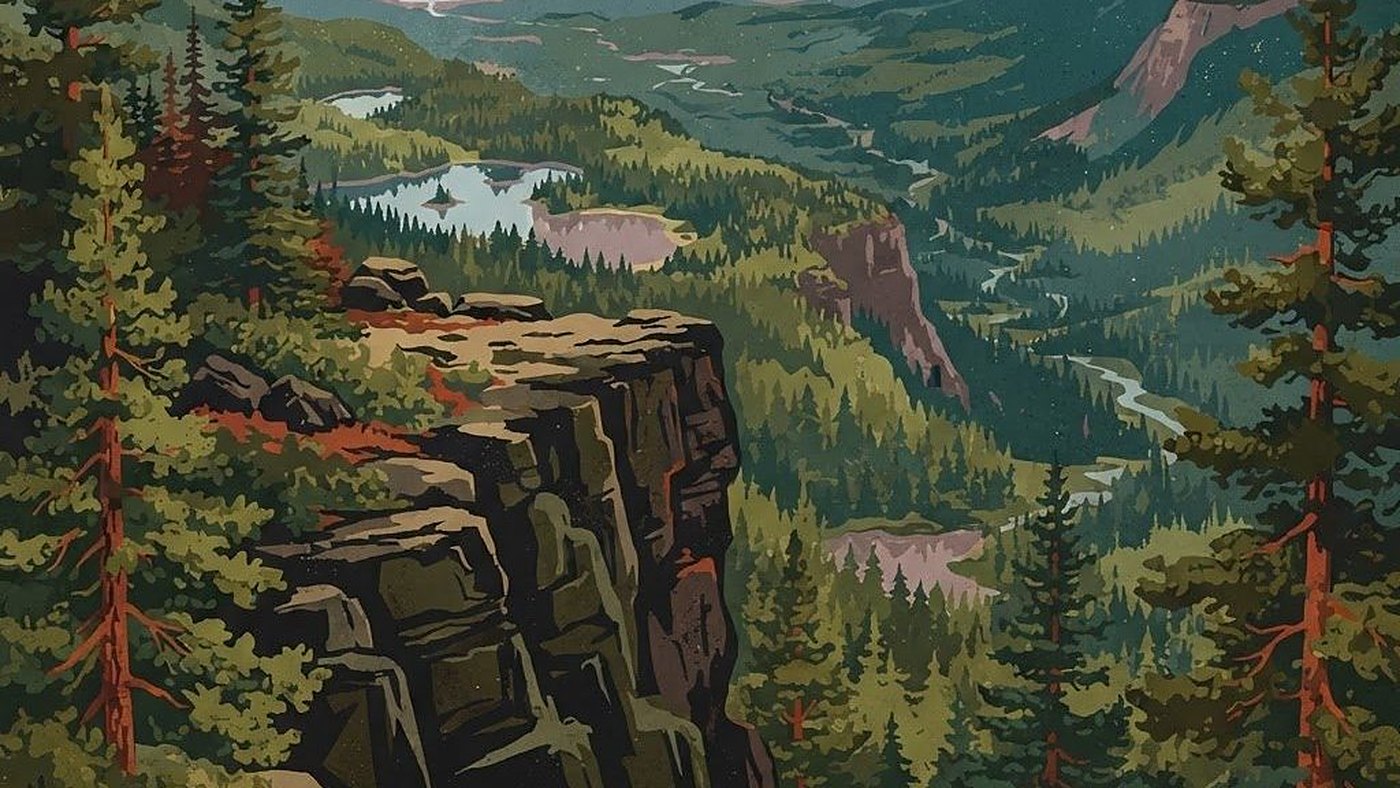
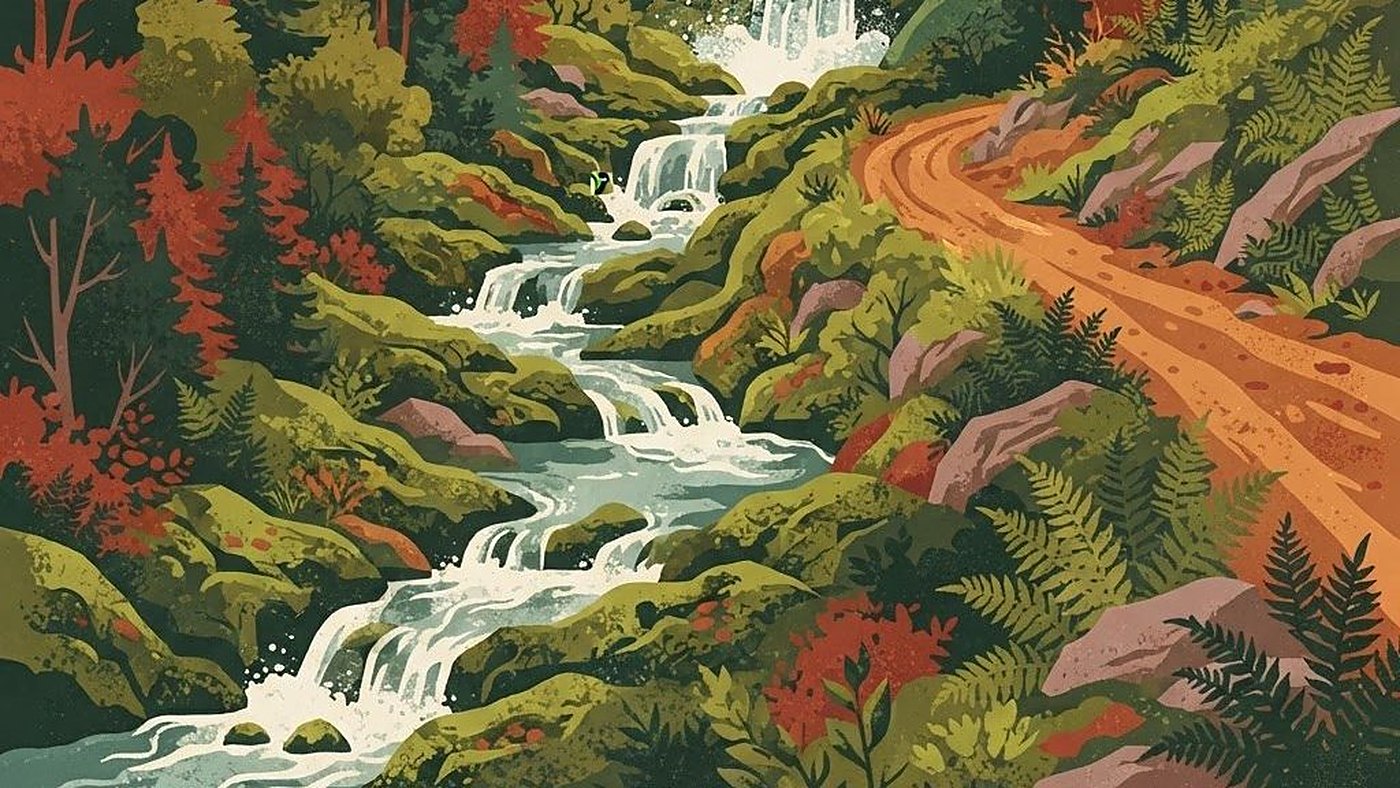
Illustrated landscape of the Mogollon Rim

Ecosystem 04 of 05

Mogollon Rim

A 200-mile escarpment carrying the largest ponderosa pine forest on Earth.

Elevation
5,000 – 8,000 ft
From Phoenix
1 hr 45 min northeast
Best season
May – October

The Rim is the southern edge of the Colorado Plateau, a 200-mile cliff, up to 2,000 feet tall, that splits Arizona in half. Drive up it from the desert and the temperature drops 20 to 25 degrees in under an hour. On top sits an unbroken belt of ponderosa pine, the largest continuous stand of it anywhere in the world, laced with cold creeks and small lakes.

Field note

Ponderosa bark smells of butterscotch and vanilla in the sun, and this is one of the largest continuous ponderosa pine forests on Earth.

Plant life

What grows here

  • Ponderosa Pine

    Ponderosa Pine

    Thick jigsaw-plate bark lets a mature tree survive a low-intensity fire that clears everything around it.

  • Gambel Oak

    Gambel Oak

    Grows in clonal thickets from a shared root system, and its acorns feed nearly everything in the forest.

  • New Mexico Locust

    New Mexico Locust

    Bursts with pink pea-like flowers in early summer and is often the first shrub to colonize a burn scar.

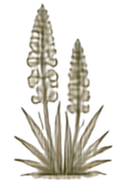
  • Lupine

    Lupine

    Fixes nitrogen into thin volcanic soil, quietly fertilizing the meadow it is growing in.

Wildlife

What you might see

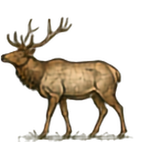
  • Elk

    Elk

    Bulls bugle through September and October. A mature bull can weigh 700 pounds, give them a very wide berth in rut.

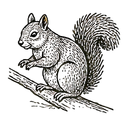
  • Abert’s Squirrel

    Abert’s Squirrel

    A tassel-eared squirrel that lives almost entirely on ponderosa, eating inner bark in winter when nothing else is left.

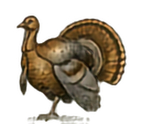
  • Wild Turkey

    Wild Turkey

    Merriam’s turkeys roost in the tallest pines at night and can fly 55 mph in a short burst.

  • Black Bear

    Black Bear

    Arizona’s only remaining bear species. It gorges on acorns and berries in fall, store food properly when camping.

Where to go

Parks and preserves

Trails to hike

Specific routes

Season by season

When to come

Spring

April – May

Snow melting off, forest roads still soft.

  • Unpaved forest roads stay muddy and rutted into April. High clearance helps well past the last snowfall.
  • Creeks run hard and cold with snowmelt, making West Clear Creek crossings difficult until late May.
  • By mid-May the Rim is the best escape in the state, 25 degrees cooler than Phoenix on the same afternoon.

Summer

June – August

Where Phoenix goes to breathe.

  • Highs in the 80s at 7,500 feet. Campgrounds book out every summer weekend, so reserve early.
  • Monsoon storms arrive almost daily after mid-June. The Rim edge is a lightning magnet, get off the cliff line by early afternoon.
  • Fire restrictions are common in June before the rains. Always check the current stage before planning any fire.

Fall

September – October

The Rim’s finest season.

  • September and October bring stable weather, no bugs, and golden aspen and Gambel oak in the drainages.
  • Elk bugle through the rut. It is remarkable to hear and a good reason to keep your distance.
  • Nights drop below freezing by late October even when afternoons feel like summer.

Winter

November – March

Snow country. Plan around closures.

  • Expect real snow and accumulation. Forest Road 300, the Rim Road, is typically impassable for months.
  • Woods Canyon Lake and the high campgrounds close for the season.
  • Check Forest Service road status and ADOT before every winter trip. Carry chains and a shovel.

Expanded facts

Worth knowing

It splits the state
The Rim divides Arizona into low desert and high country. Nearly every major river in the state, including the Salt and the Verde, gathers water off it.
Fire built this forest
Ponderosa forests historically burned in low-intensity fires every 2 to 20 years, keeping the stands open and park-like. A century of fire suppression left them dangerously overgrown, which is why modern fires here are so severe.
The butterscotch test
Press your nose into a sun-warmed crack in ponderosa bark. The vanilla-butterscotch smell is real, and it is one of the fastest ways to identify the tree.
Zane Grey’s country
The novelist kept a hunting cabin below the Rim in the 1920s and set much of his western fiction here. A reconstruction stands in Payson.