Skip to content
J.R.'s Field Guide
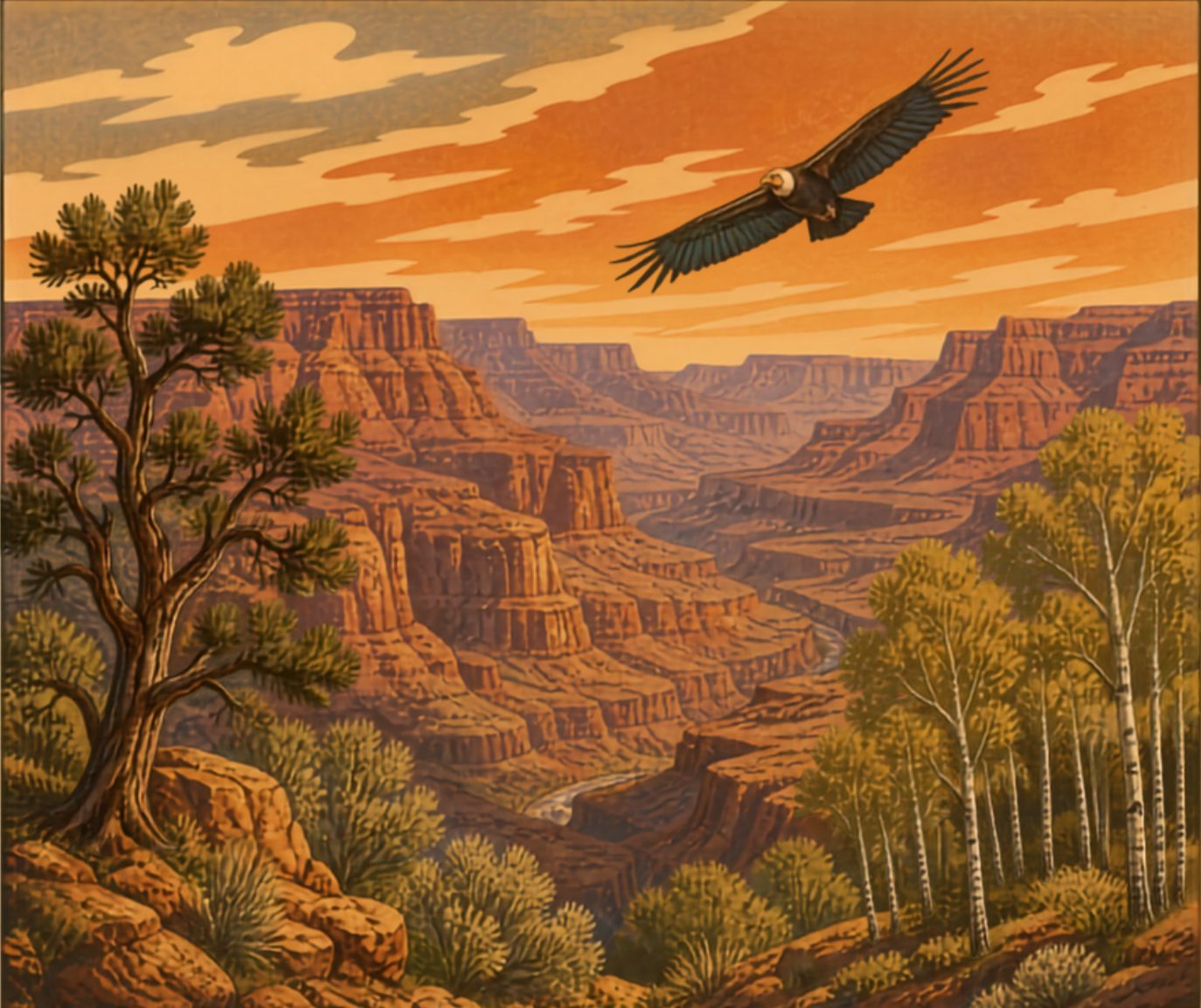
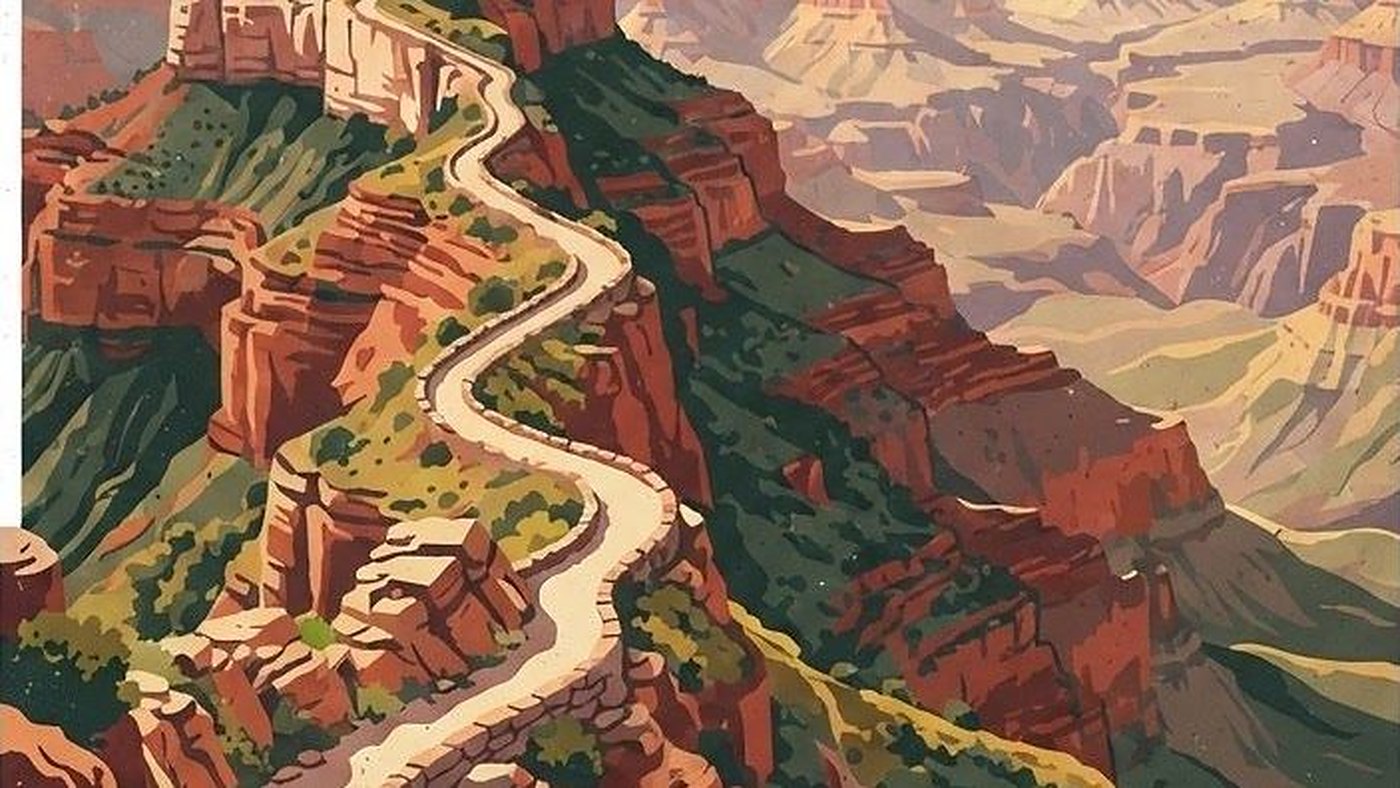
Illustrated landscape of the Colorado Plateau

Ecosystem 05 of 05

Colorado Plateau

130,000 square miles of layered rock, and the oldest stone you can stand beside.

Elevation
5,000 – 9,000 ft
From Phoenix
3 hr 30 min north
Best season
May – June, September – October

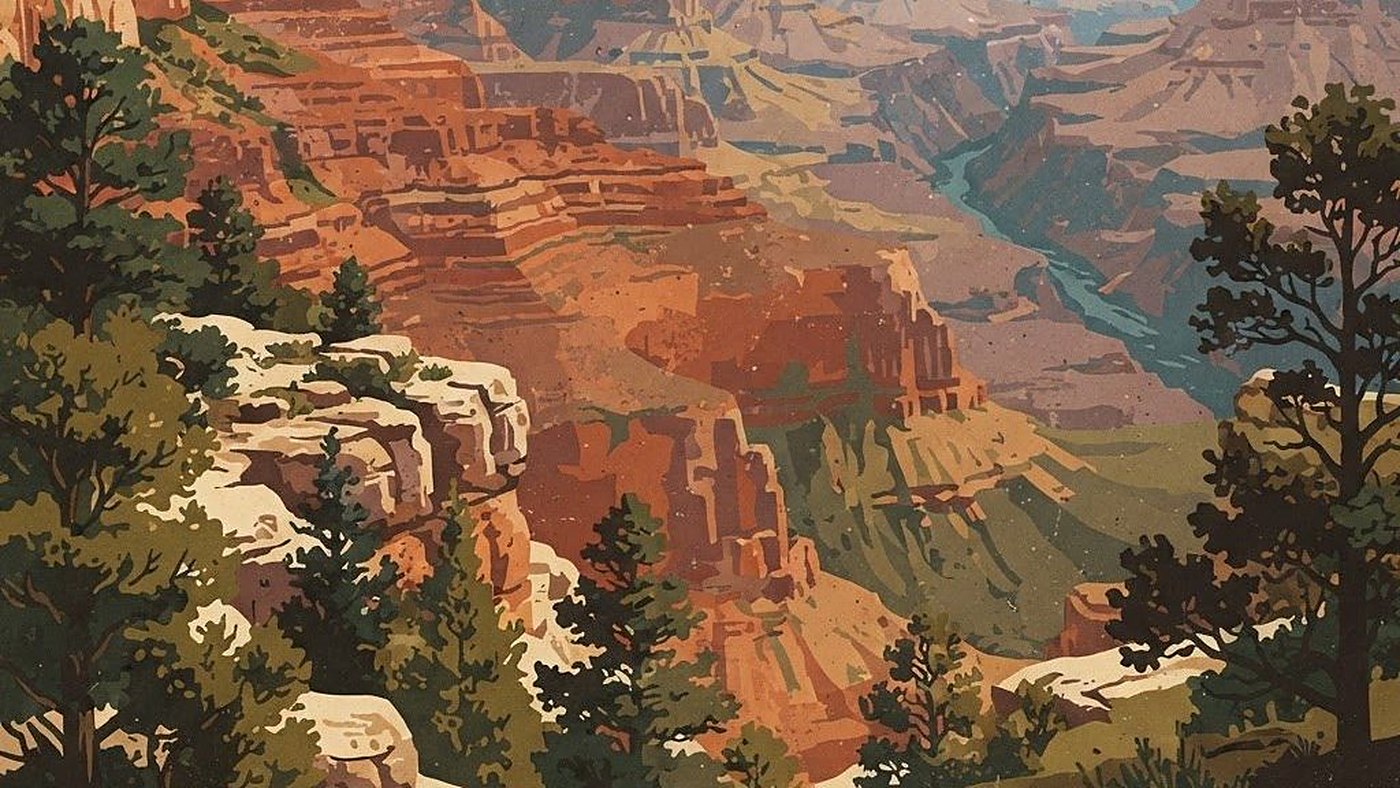
The Plateau is a vast block of the continent that rose almost without tilting, leaving its rock layers nearly flat, which is why the Grand Canyon reads like a diagram. It holds the highest concentration of national parks and monuments in the country. Up here the forest is pinyon and juniper, the air is thin, and the geologic record runs almost two billion years deep.

Field note

The Colorado Plateau spans roughly 130,000 square miles. In the Grand Canyon, the plateau's oldest exposed rocks are nearly two billion years old, among the oldest visible anywhere on Earth.

Plant life

What grows here

  • Pinyon Pine

    Pinyon Pine

    Produces the pine nut that sustained people here for millennia. A good cone crop comes only every few years.

  • Sagebrush

    Sagebrush

    Releases its unmistakable sharp scent after rain and poisons the soil around itself to limit competition.

  • Indian Paintbrush

    Indian Paintbrush

    A partial parasite that taps the roots of neighboring plants. The color comes from bracts, not petals.

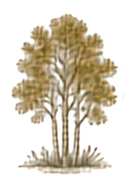
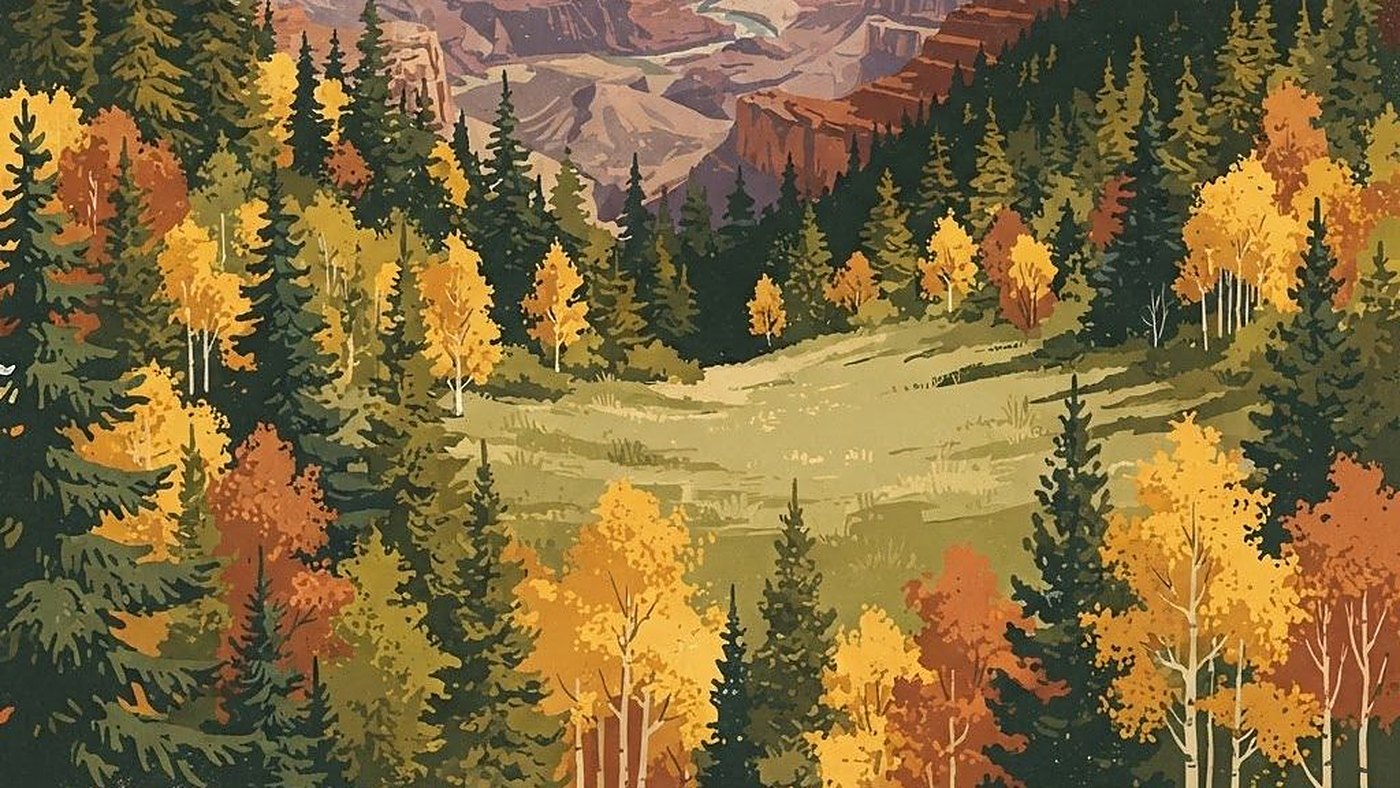
  • Quaking Aspen

    Quaking Aspen

    An entire grove is often one organism sharing a root system, making aspen among the largest living things on Earth.

Wildlife

What you might see

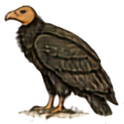
  • California Condor

    California Condor

    A 9.5-foot wingspan and North America’s largest flying bird. The species fell to 22 individuals in 1982; the first six captive-bred birds were released at the Vermilion Cliffs in December 1996.

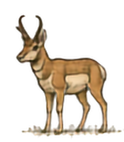
  • Pronghorn

    Pronghorn

    The fastest land animal in the Americas at 55 mph, built to outrun a cheetah-like predator that went extinct here.

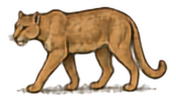
  • Mountain Lion

    Mountain Lion

    Ranges over 100 square miles and is almost never seen. It can leap 15 feet straight up from a standstill.

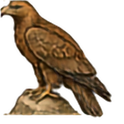
  • Golden Eagle

    Golden Eagle

    Stoops on prey at over 150 mph and holds the same territory and cliff nest for decades.

Where to go

Parks and preserves

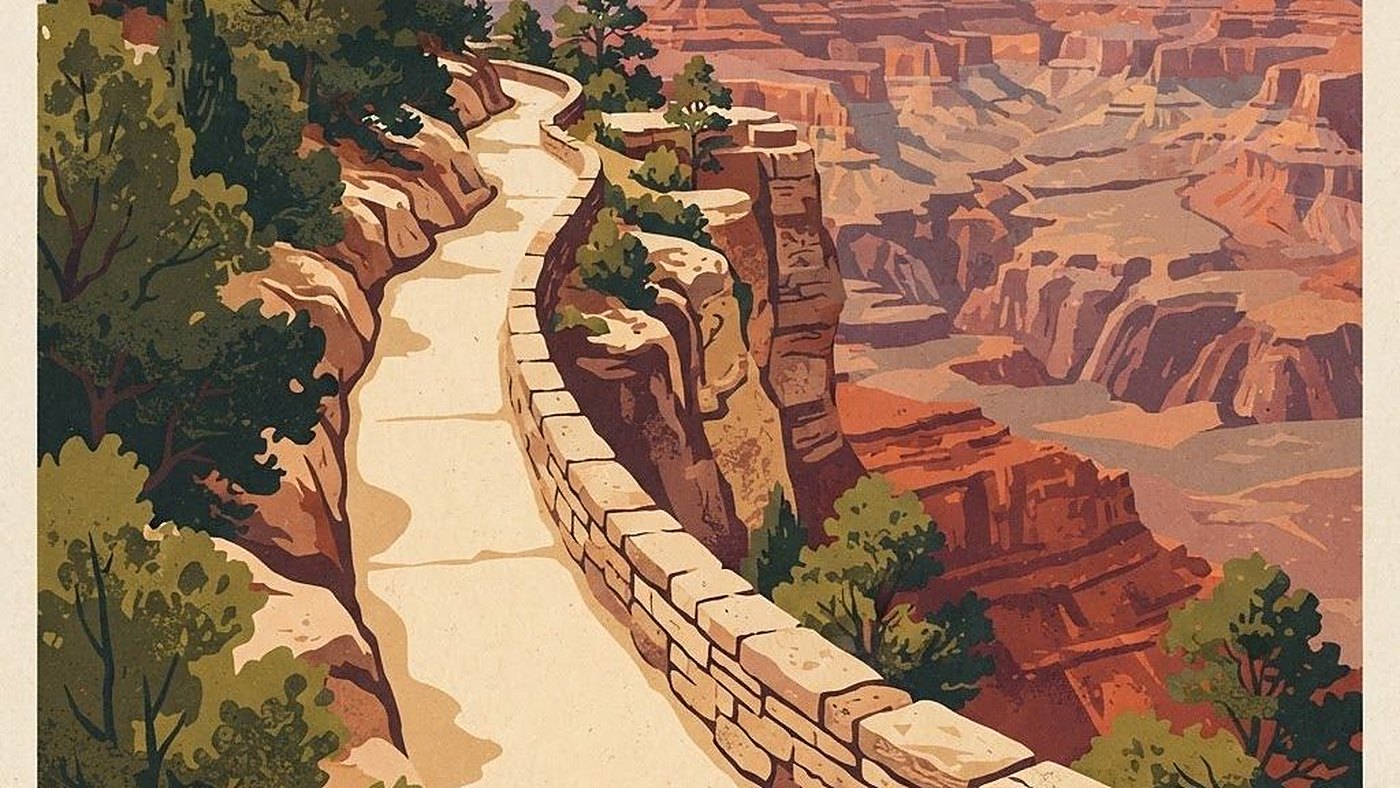
Trails to hike

Specific routes

Season by season

When to come

Spring

April – May

Cool rim temperatures, and wind.

  • The South Rim sits near 7,000 feet, so expect 30 to 40 degrees cooler than Phoenix and snow flurries into April.
  • Spring wind on the rim is relentless. Bring a shell even on a bright day.
  • The North Rim road opens around May 15. Before that, everything up there is closed.

Summer

June – August

Pleasant on the rim, lethal in the canyon.

  • Inner canyon temperatures routinely pass 110°F while the rim stays in the 80s. The park pulls hikers off the corridor trails mid-day for this reason.
  • Do not attempt rim-to-river and back in a day in summer. Rangers advise against it, and every year people ignore them.
  • Monsoon lightning is a serious rim hazard. Get away from the edge and from lone trees when storms build.

Fall

September – October

The best month on the Plateau is October.

  • Stable air, sharp light, thinner crowds, and aspen turning gold at higher elevations.
  • Inner-canyon temperatures finally become reasonable for a longer descent.
  • The North Rim closes to all services October 15 and the road shuts with the first heavy snow.

Winter

November – March

Snow on the rim, and the canyon at its most dramatic.

  • Snow-lined red rock under low winter sun is the Grand Canyon at its most beautiful, with the fewest people all year.
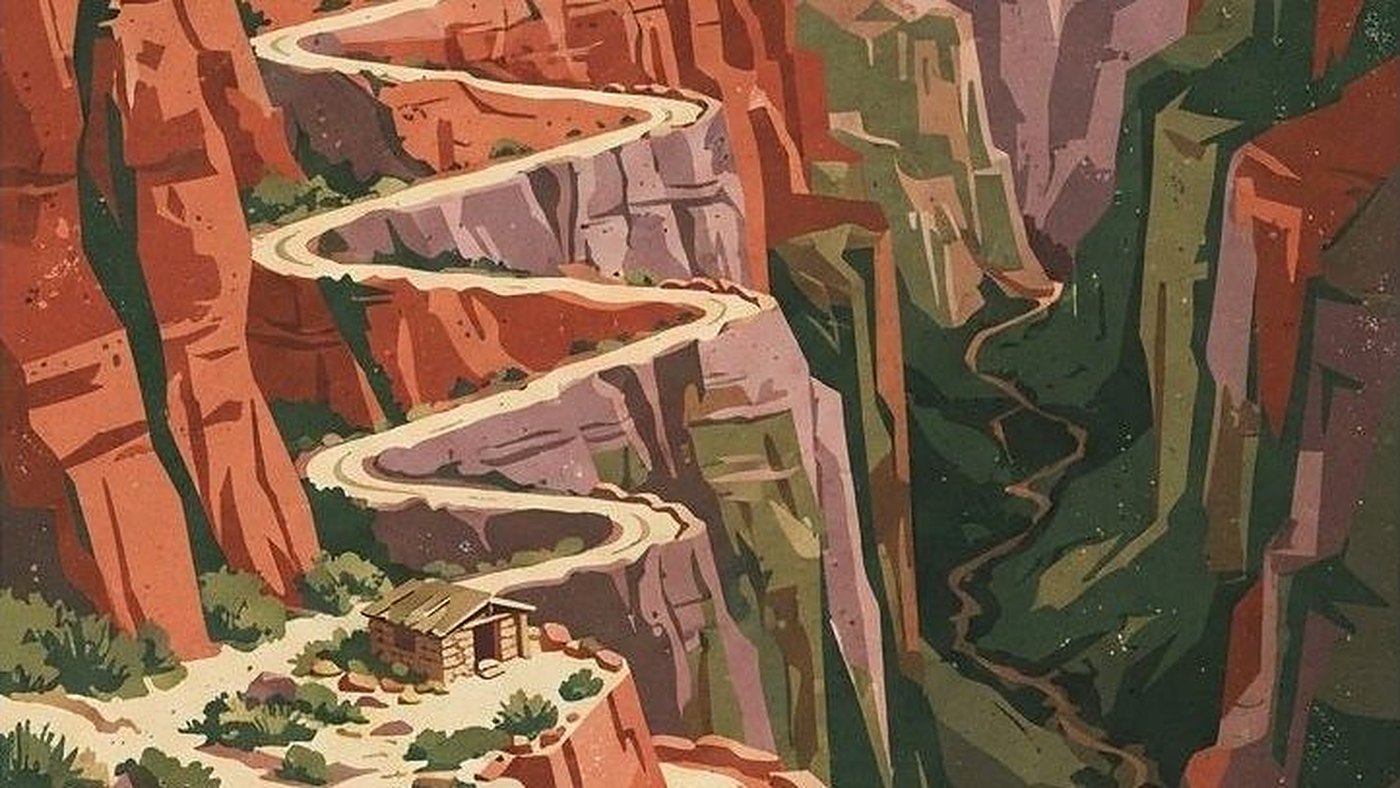
  • Rim trails ice over. Traction devices are close to mandatory, and the upper switchbacks of Bright Angel stay frozen.
  • State Route 64 and Interstate 40 can close in a storm. Fewer daylight hours means planning shorter days.

Expanded facts

Worth knowing

Nearly two billion years, exposed
The Vishnu Schist at the bottom of the Grand Canyon is close to 1.8 billion years old. Between it and the rim lies one of the most complete rock records on the planet.
It rose without tilting
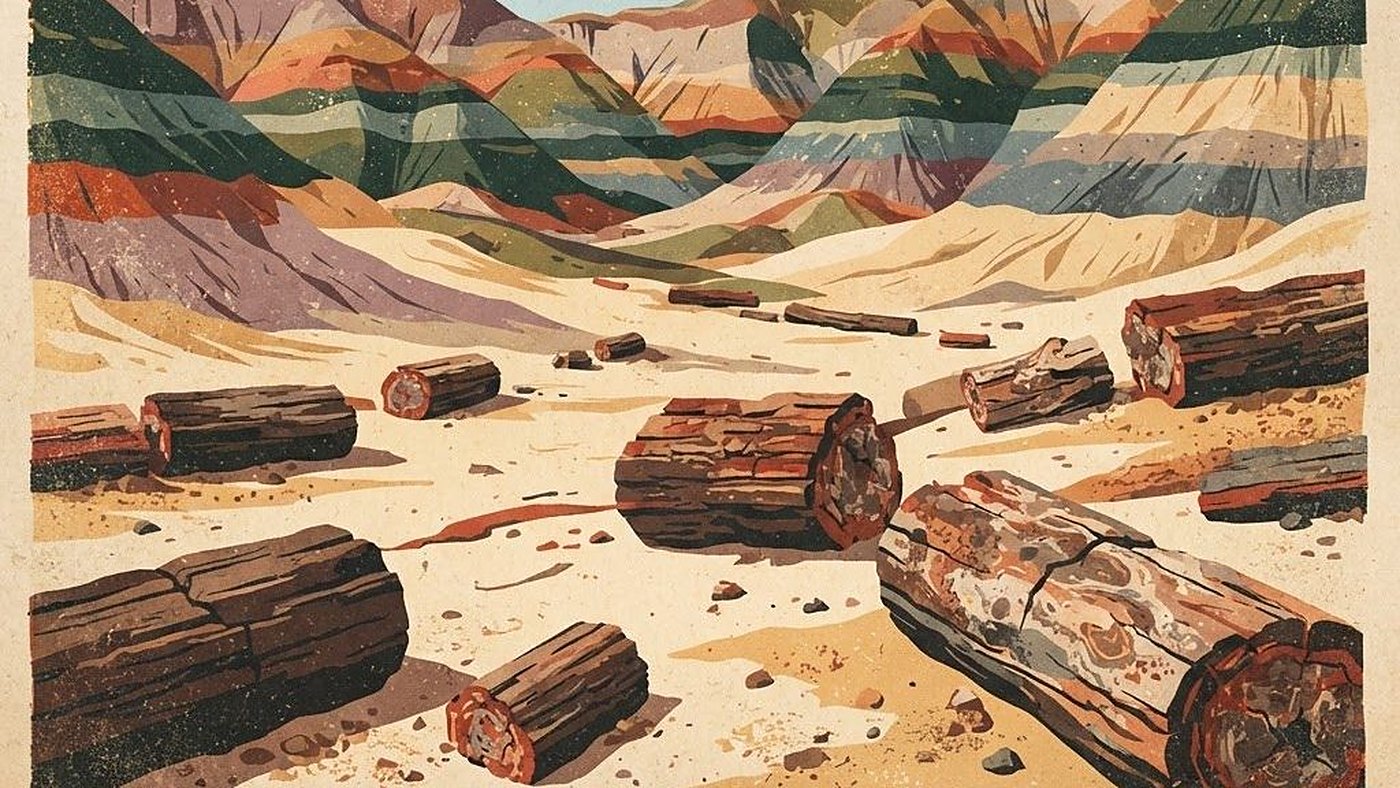
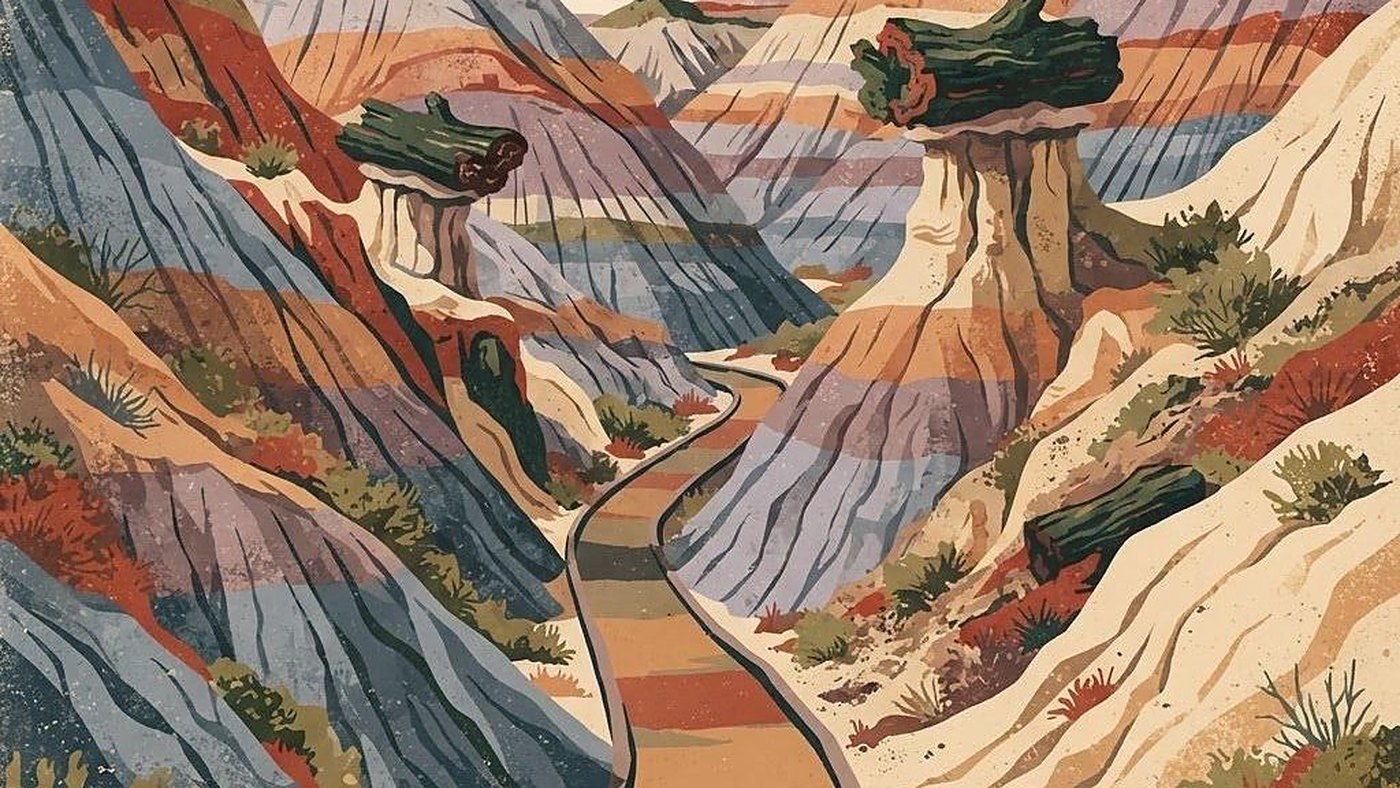
The Plateau lifted thousands of feet while keeping its layers roughly horizontal, unusual, and the reason the strata read like clean stripes rather than a crumpled mess.
The densest park country in America
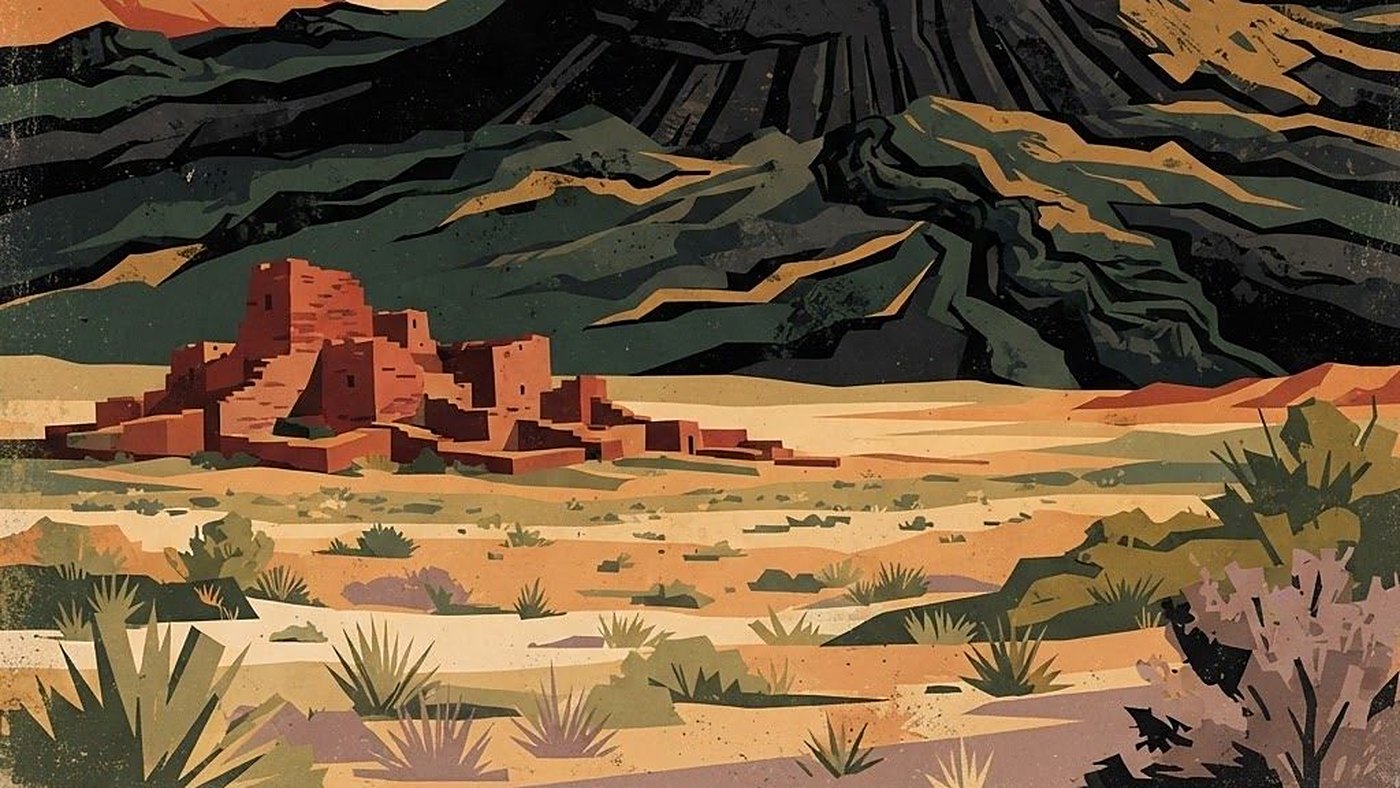
Nine national parks and dozens of monuments sit on the Plateau, including the Grand Canyon, Zion, Bryce, Arches, Canyonlands, Capitol Reef, and Mesa Verde.
Some of the darkest skies left
Thin air, high elevation, and very little development make this one of the best regions on Earth for stargazing. Both Grand Canyon and Petrified Forest are certified Dark Sky Parks.