
Skip to content
J.R.'s Field Guide
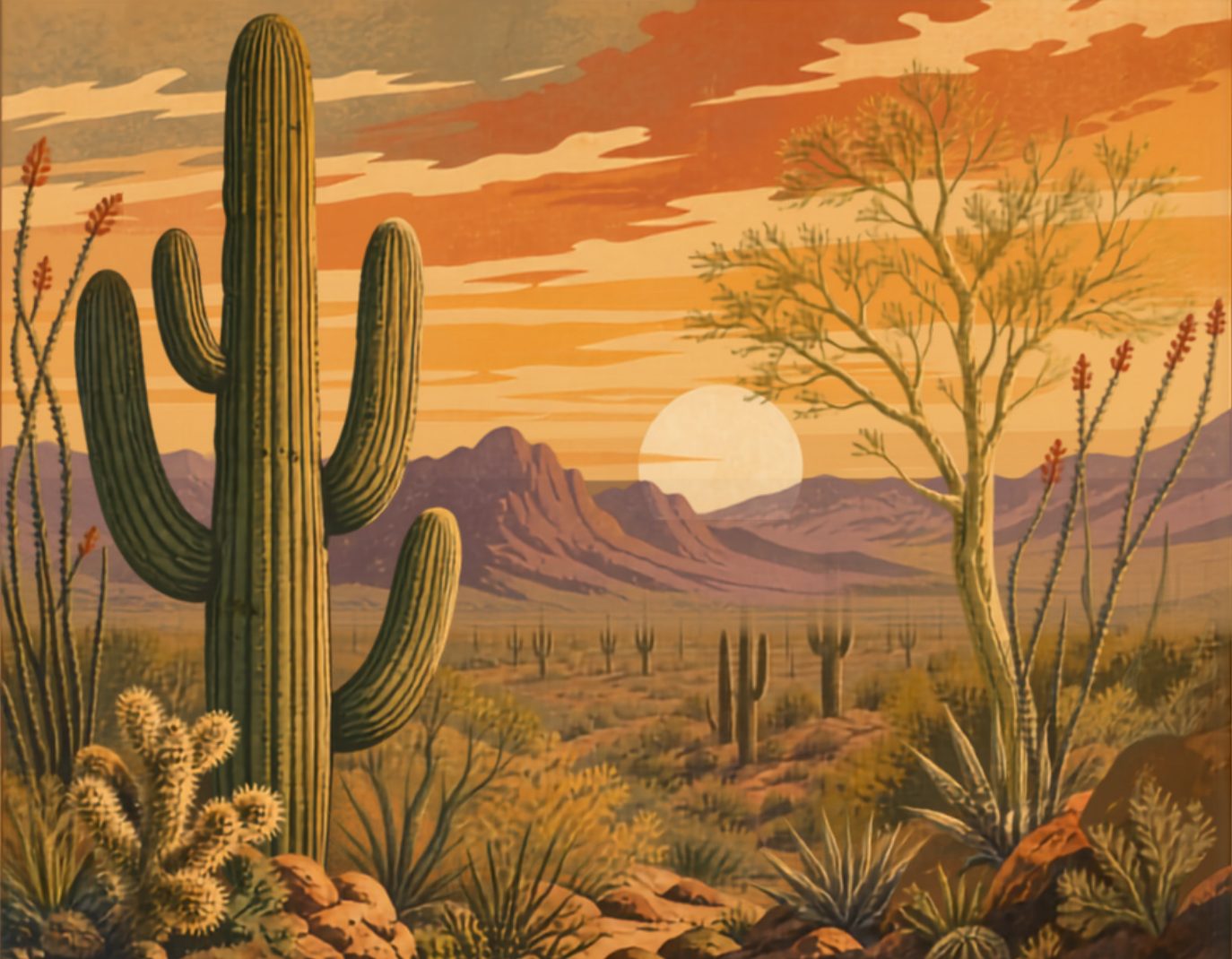
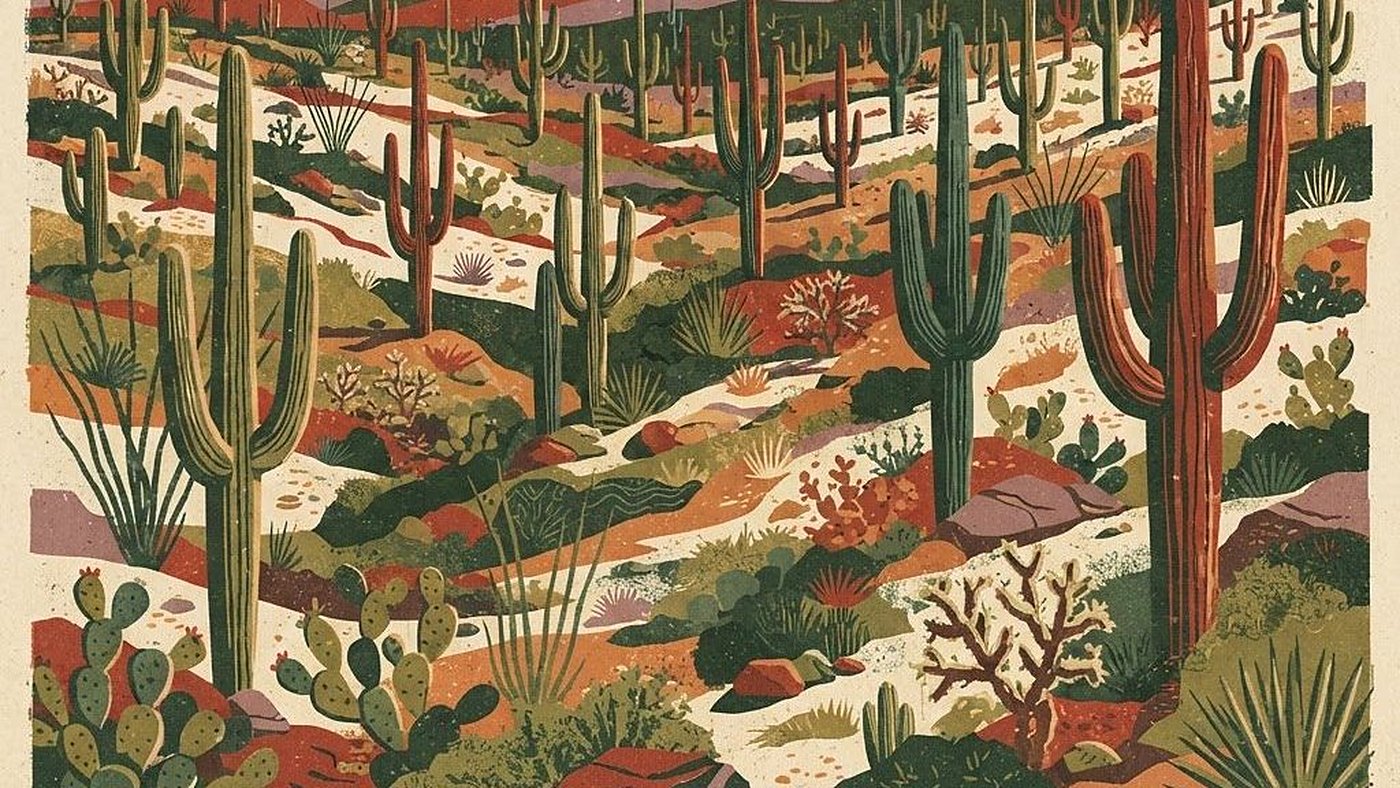
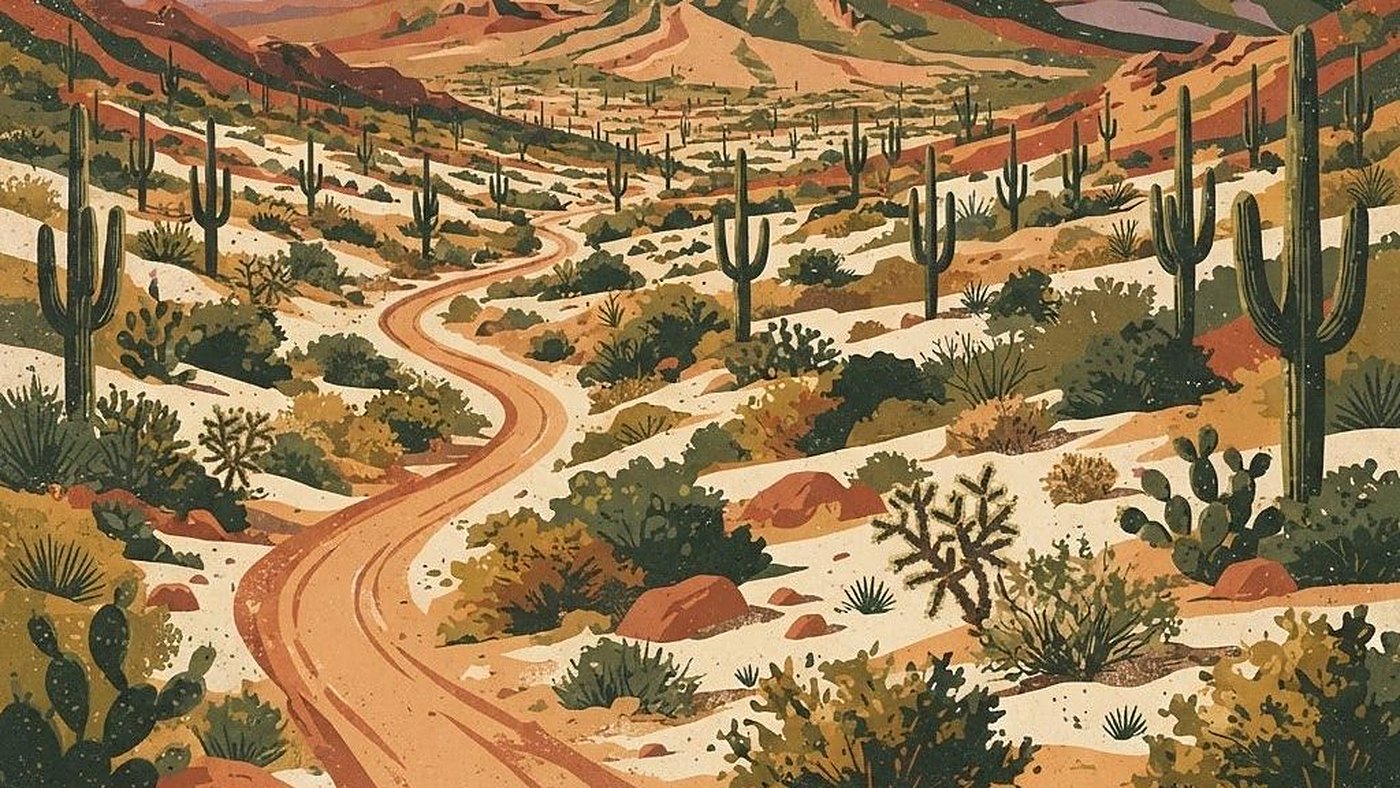
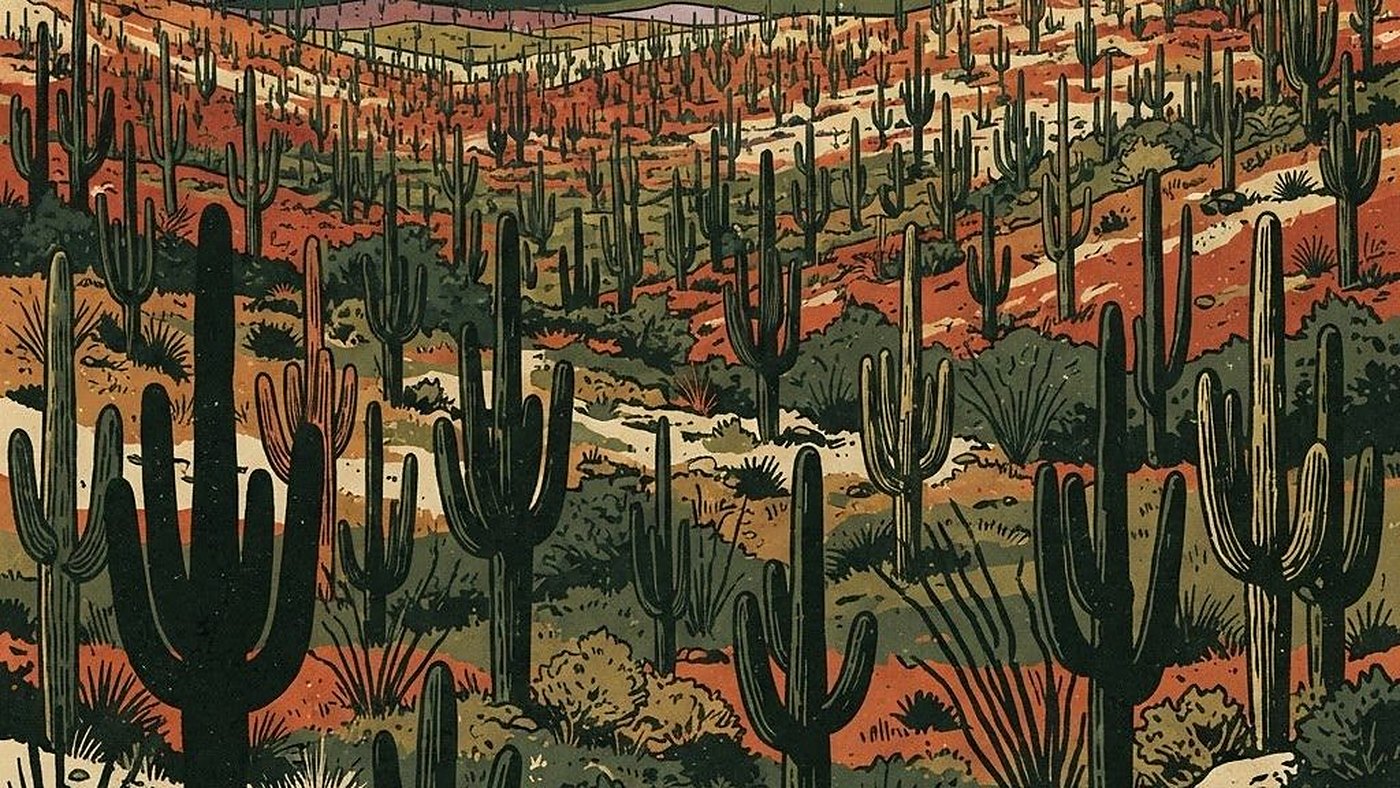
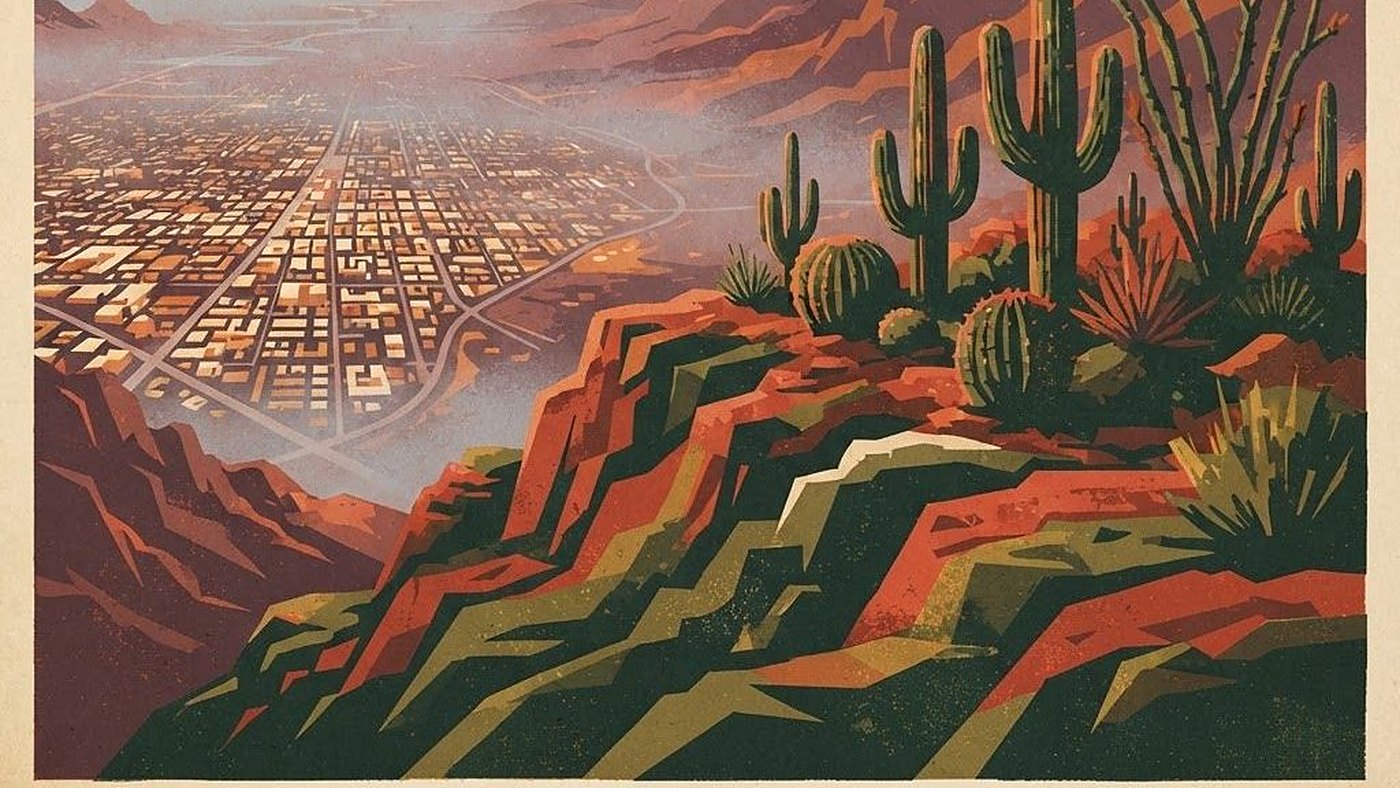
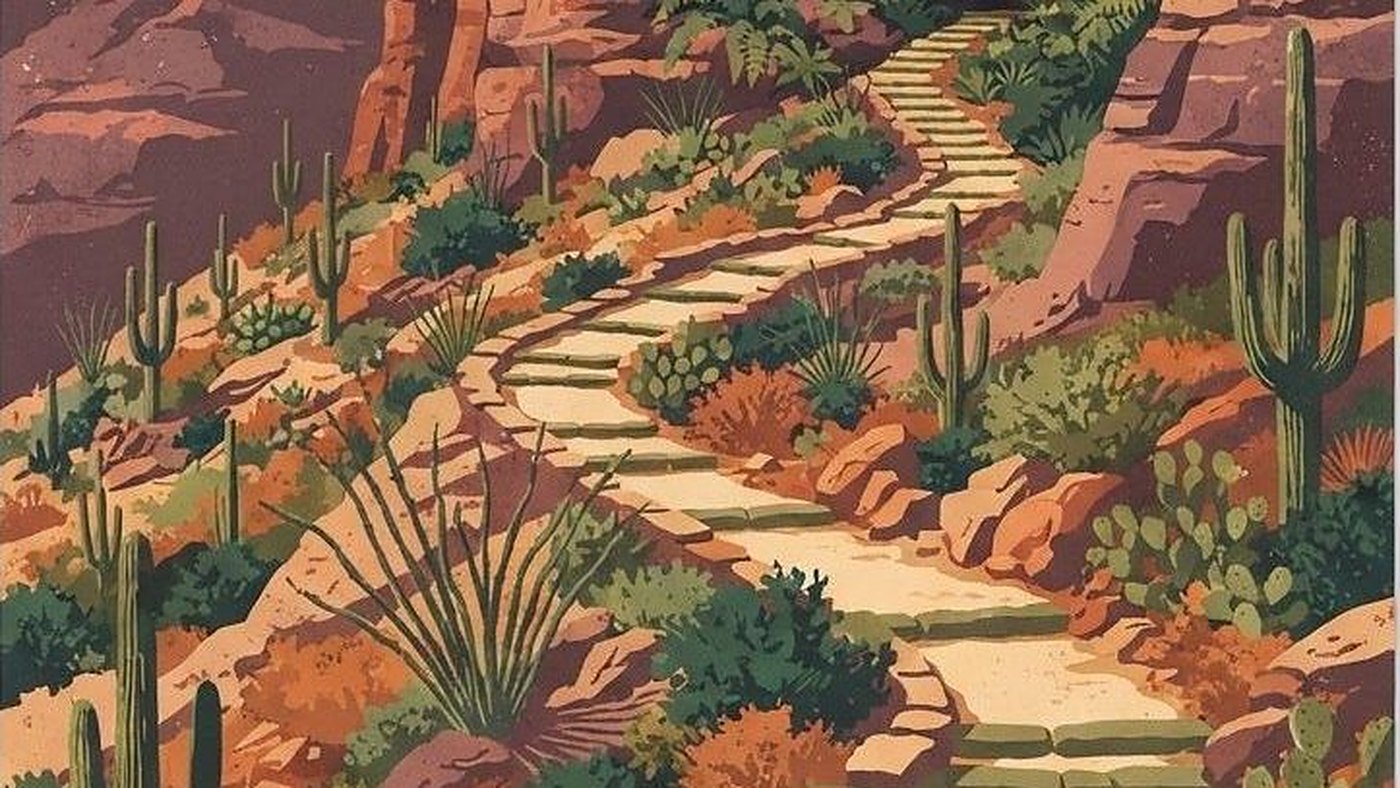
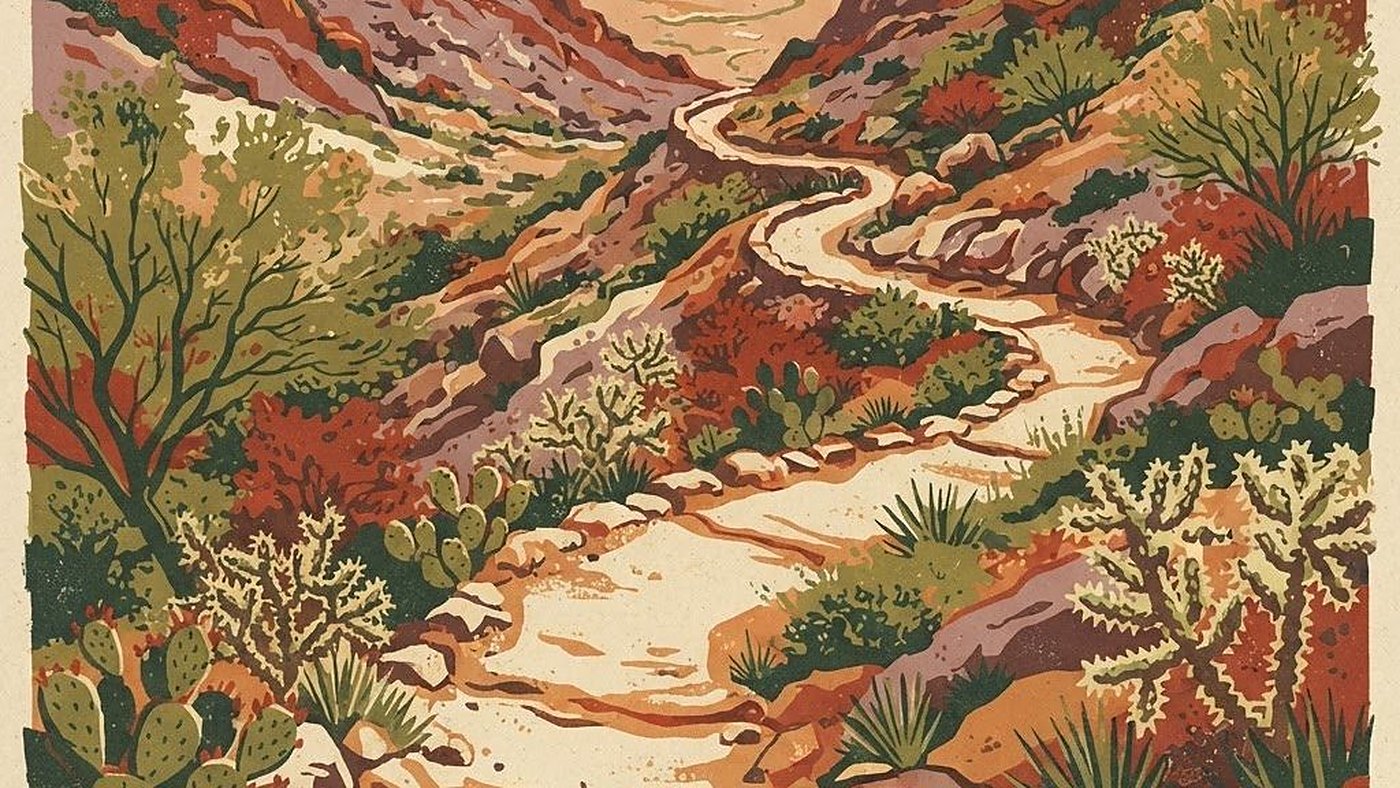
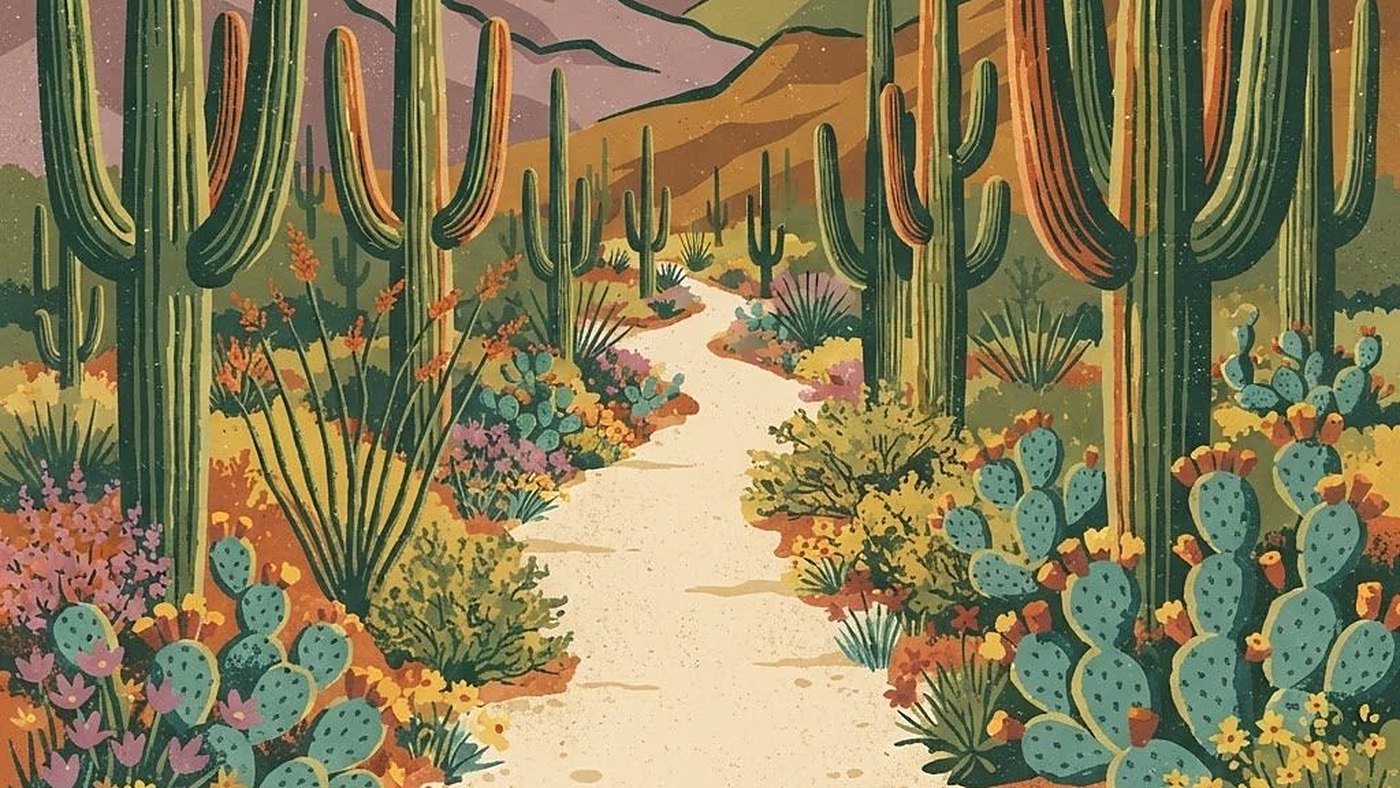
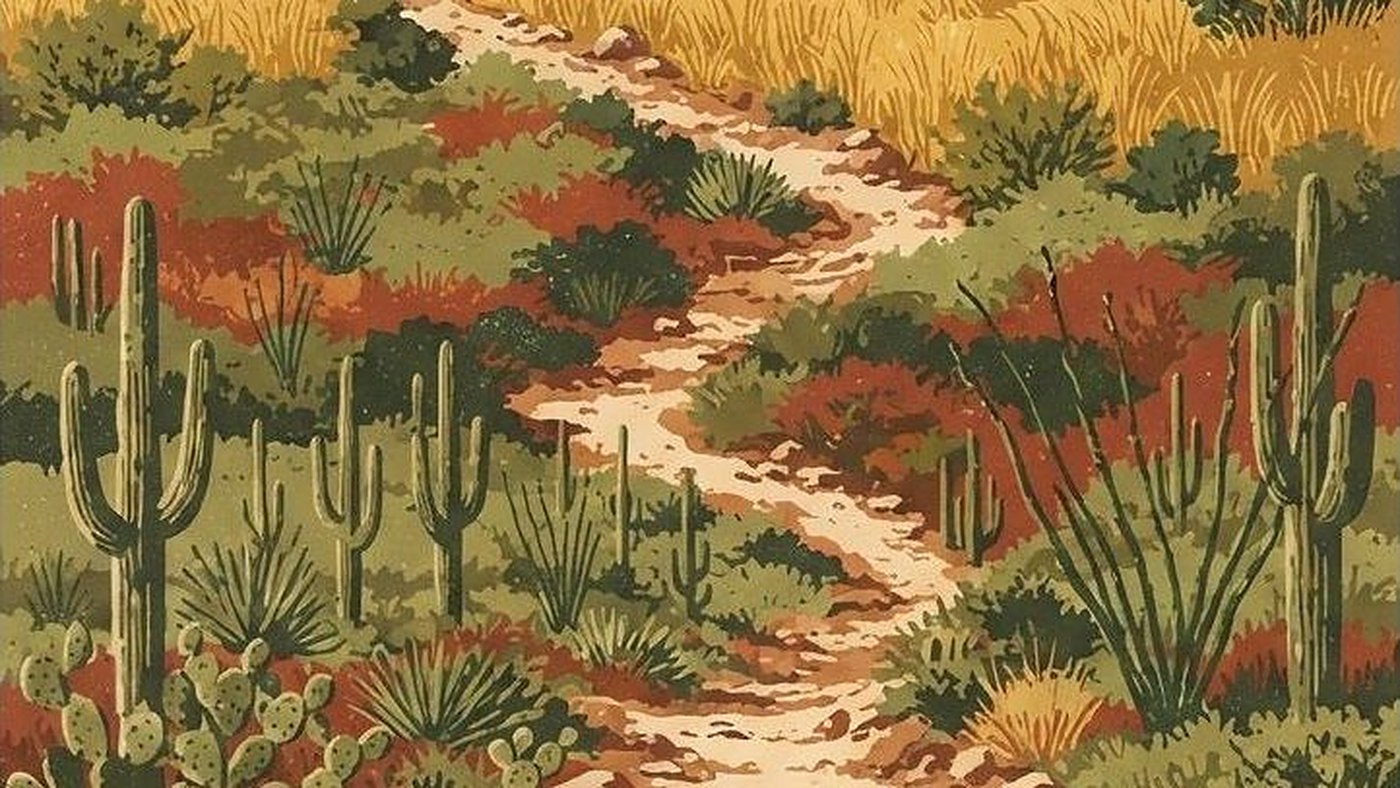
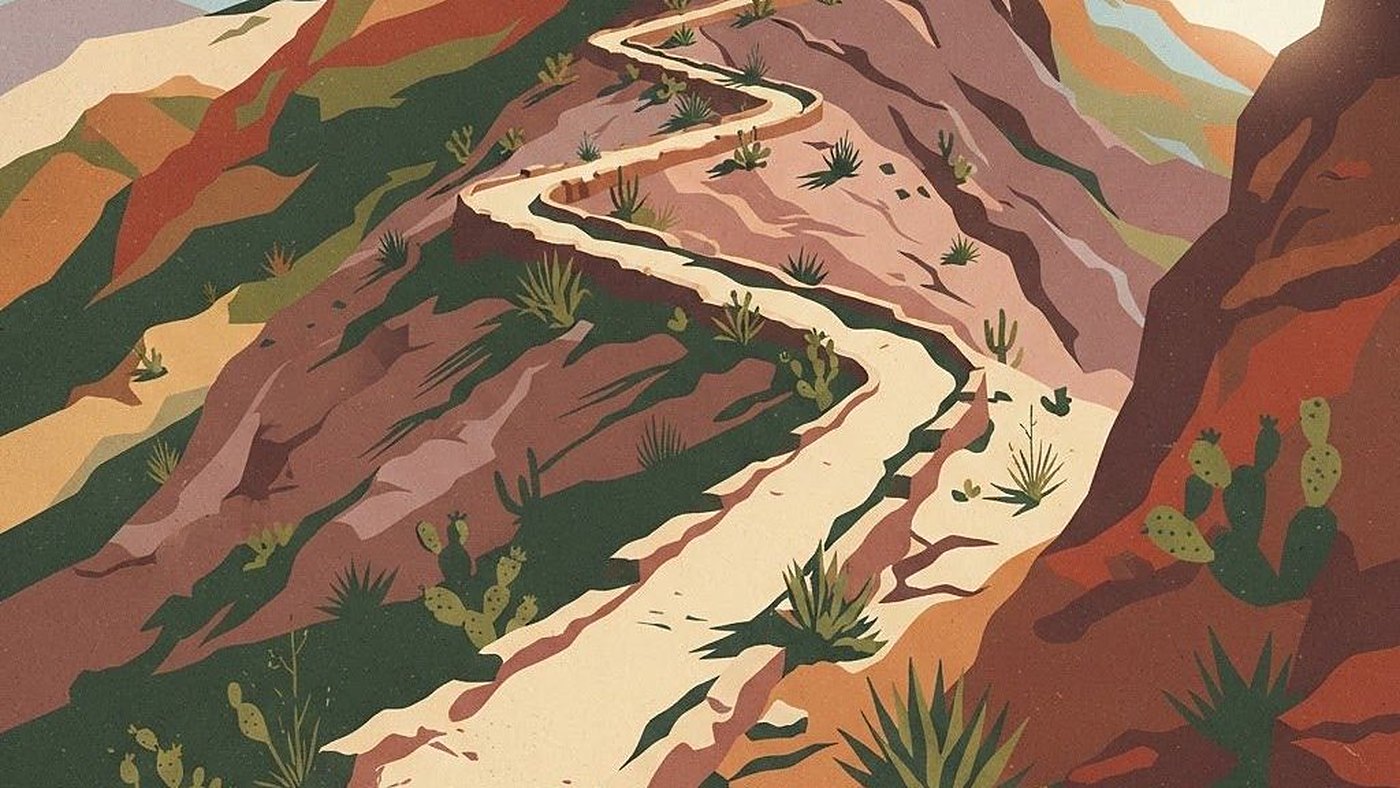
Illustrated landscape of the Sonoran Desert

Ecosystem 01 of 05

Sonoran Desert

The only place on Earth where saguaros grow wild.

Elevation
1,000 – 3,500 ft
From Phoenix
You are standing in it
Best season
November – April

The Sonoran is the wettest desert in North America, and that extra water buys it an astonishing density of life. Two rainy seasons, gentle winter storms and violent summer monsoons, let it support more than 2,000 plant species, including the saguaro, which grows wild nowhere else on Earth. Phoenix sits in the middle of it, so the desert begins at the edge of the parking lot.

Field note

The saguaro grows so slowly it may take 50 to 75 years to sprout its first arm. A mature saguaro can live 150 to 200 years, making the ones you pass likely older than the state itself.

Plant life

What grows here

  • Saguaro

    Saguaro

    Can hold over a ton of water after a good monsoon, its pleated ribs swelling like an accordion.

  • Palo Verde

    Palo Verde

    Arizona’s state tree photosynthesizes through its green bark, so it can drop every leaf in a drought and keep living.

  • Ocotillo

    Ocotillo

    Looks like a bundle of dead sticks until rain arrives, then leafs out within 48 hours and tips itself with scarlet flowers.

  • Teddy Bear Cholla

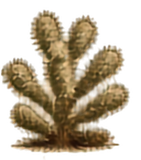
    Teddy Bear Cholla

    Fuzzy and inviting from a distance, barbed and awful up close. Its segments detach on contact to root elsewhere.

Wildlife

What you might see

  • Gila Monster

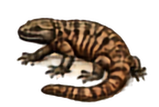
    Gila Monster

    One of the few venomous lizards in the world. It spends over 90 percent of its life underground.

  • Cactus Wren

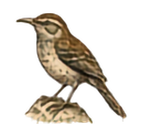
    Cactus Wren

    Arizona’s state bird nests inside cholla, letting the spines do the work of a fortress wall.

  • Desert Tortoise

    Desert Tortoise

    Stores water in its bladder for up to a year. Never startle one, releasing that water can be fatal.

  • Roadrunner

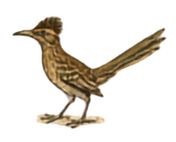
    Roadrunner

    Runs about 20 mph and would rather sprint than fly. It kills rattlesnakes and eats them head first.

Where to go

Parks and preserves

Trails to hike

Specific routes

Season by season

When to come

Spring

March – May

The desert’s best two months, and its best flowers.

  • Low-desert wildflowers peak from late February into early April; a wet winter makes the difference between a good year and a spectacular one.
  • Saguaro blossoms open late April through early June, peaking in May. They open at night and close by the next afternoon.
  • By mid-May, treat any hike over three miles as a sunrise-only activity.

Summer

June – August

Genuinely dangerous. Hike before dawn or not at all.

  • Trailhead temperatures routinely exceed 110°F, and dark rock radiates heat long after sunset.
  • Monsoon season runs mid-June through September. Afternoon storms bring lightning on exposed ridges and flash floods in any wash.
  • Never enter a wash or slot when there are clouds over the high country, even in blazing sun where you stand.
  • Carry a minimum of one gallon of water per person, and add electrolytes, water alone is not enough.

Fall

September – November

Heat breaks, greenery lingers from the monsoon.

  • The desert is at its greenest in September after monsoon rains, and the crowds have not returned yet.
  • Rattlesnakes are most active on warm fall evenings. Carry a light and watch where you put your hands on rock.
  • By November the weather is close to perfect and stays that way for months.

Winter

December – February

Peak season. Cool, clear, and busy.

  • Daytime highs in the 60s and 70s make this the ideal window for long desert mileage.
  • Popular trailheads fill by 8 a.m. on weekends, arrive early or go on a weekday.
  • Nights drop near freezing. Pack a layer even for an afternoon hike.

Expanded facts

Worth knowing

Two rainy seasons
The Sonoran is the only North American desert with both winter and summer rains, which is why it looks like a garden compared to the Mojave or Great Basin.
A saguaro is an apartment building
Gila woodpeckers and gilded flickers drill nest cavities into the trunk. When they move out, elf owls, kestrels, and wrens move in. The cactus seals each wound with a hard internal scar called a boot.
Nurse trees
Almost every saguaro started life in the shade of a palo verde or ironwood that sheltered it from sun and frost. Look for old saguaros standing beside the skeleton of the tree that raised them.
They are protected by law
Arizona’s native plant law makes it illegal to remove or destroy a saguaro on public or private land without a permit. Some of the ones you pass on trail predate Arizona statehood in 1912.